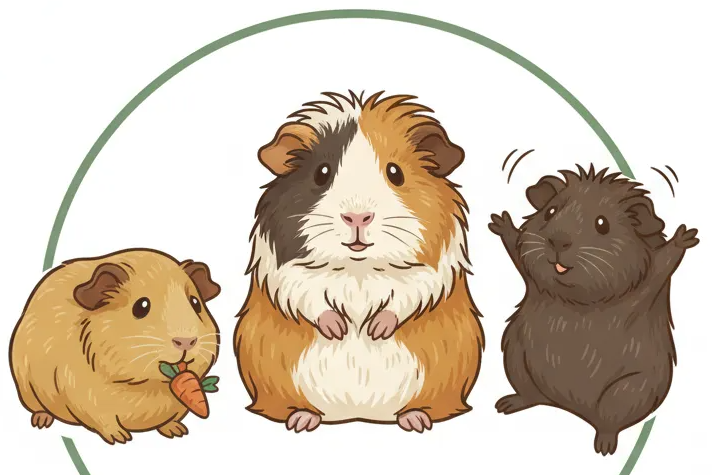
10 Common Foraging Mistakes That Could Poison Your Guinea Pig
Hello CavyFam, do you ever worry that a simple foraging trip could harm your guinea pig? I’ve felt that same unease while gathering greens for Pepper, Clover, and Biscuit.
I’ll guide you through avoiding pitfalls like misidentifying plants, picking from contaminated spots, skipping proper washing, and other risks to keep your pets healthy. With years of hands-on care for my own guinea pigs, I share this advice to help you forage safely.
Understanding Guinea Pig Foraging and Its Hidden Dangers
Foraging is a wonderful way to enrich your guinea pig’s life, but it comes with risks many owners don’t see. I learned this the hard way when my curious guinea pig, Pepper, nibbled a plant I mistakenly thought was safe. The natural instinct to explore can lead them straight to danger if we aren’t vigilant.
Their sensitive digestive systems react poorly to many common plants and chemicals. What looks like a harmless leaf to us could contain toxins that cause serious illness in a small animal. Always double-check every single item before it reaches your pet’s mouth.
The Top 10 Foraging Errors That Lead to Poisoning
Mistake 1: Overlooking Toxic Plant Identification
Many plants are deceptively dangerous. Common garden flowers like foxglove, daffodils, and lily of the valley can cause rapid heart failure in guinea pigs. I keep a printed list of toxic plants on my refrigerator for quick reference. Beyond keeping them away from toxins, I also look for safe flowers that guinea pigs can eat. That way my pet can enjoy occasional non-toxic nibbles.
- Buttercups cause mouth pain and digestive upset
- Nightshade plants lead to neurological damage
- Rhubarb leaves create kidney problems
- Oleander brings on severe cardiac issues
Mistake 2: Offering Unsafe Foraged Foods
Even non-toxic plants can be problematic. Dandelions are generally safe, but those growing near roads absorb heavy metals from car exhaust. My rule is to only forage from areas I know haven’t been treated with chemicals.
Some safe-looking foods cause digestive issues. Iceberg lettuce provides little nutrition and can cause diarrhea due to its high water content. Stick to darker leafy greens like romaine and kale in moderation.
Mistake 3: Ignoring Pesticide and Fertilizer Residues
Chemicals linger long after application. Commercial lawns and gardens often receive regular treatments that make plants dangerous for months. I only forage from organic gardens or areas I know haven’t been sprayed.
- Wash all foraged items thoroughly with vinegar water
- Avoid plants within 50 feet of roadways
- Never take clippings from treated lawns
- Ask neighbors about their gardening practices
Mistake 4: Feeding Spoiled or Moldy Forage
Moisture creates mold quickly. Even slightly wilted leaves can develop mold that causes respiratory and digestive problems. I check every piece carefully and discard anything questionable.
Mold spores are invisible to the naked eye. If you wouldn’t eat it yourself, don’t feed it to your guinea pig. Their smaller bodies are more vulnerable to foodborne illnesses.
Mistake 5: Allowing Access to Common Household Toxins
Indoor foraging brings different risks. Houseplants like philodendron, pothos, and peace lilies are highly toxic to guinea pigs. I keep all houseplants out of reach or in rooms my pets never enter.
- Cleaning product residues on floors
- Essential oil diffusers releasing particles
- Pesticides used for ant control
- Fertilizer sticks in potted plants
Mistake 6: Misjudging Portion Sizes and Variety
Too much of a good thing becomes dangerous. Even safe foods like kale and spinach contain oxalates that can cause bladder stones when fed excessively. I rotate greens daily to prevent mineral buildup.
Sudden dietary changes disrupt their delicate gut flora. Introduce new foraged items gradually over several days to monitor for adverse reactions. Watch for changes in droppings or behavior.
Mistake 7: Using Unsafe Foraging Toys or Mixes
Commercial products aren’t always safe. Some foraging mixes include seeds, nuts, or dried corn that pose choking hazards or digestive blockages. I read every ingredient list carefully before purchase.
- Avoid toys with small parts that can break off
- Check for sharp edges on wooden chews
- Monitor plastic components for chewing damage
- Remove any item showing wear immediately
Mistake 8: Foraging in Contaminated Areas
Location matters more than the plants themselves. Parks, golf courses, and school grounds often use herbicides that remain in soil and plants. I stick to my own chemical-free yard or trusted organic farms.
Animal contamination is another concern. Areas frequented by dogs, cats, or wildlife may contain parasites or bacteria from urine and feces. Always wash foraged items multiple times.
Mistake 9: Failing to Monitor for Choking Hazards
Size and texture create risks. Large pieces of tough vegetables or fruits can become lodged in their throats. I chop everything into bite-sized pieces appropriate for their small mouths.
- Cut carrots into thin sticks rather than rounds
- Remove seeds from peppers and tomatoes
- Avoid stringy celery strands
- Monitor eating during first introductions
Mistake 10: Not Preparing Foraged Items Properly
Proper cleaning removes hidden dangers. Even organic plants may harbor insect eggs, bacteria, or environmental pollutants. I use a three-step washing process for all foraged items.
Preparation affects nutritional value. Some vegetables like bell peppers lose vitamin C when chopped too far in advance. I prepare fresh portions right before feeding time.
How to Safely Identify and Prepare Foraged Foods
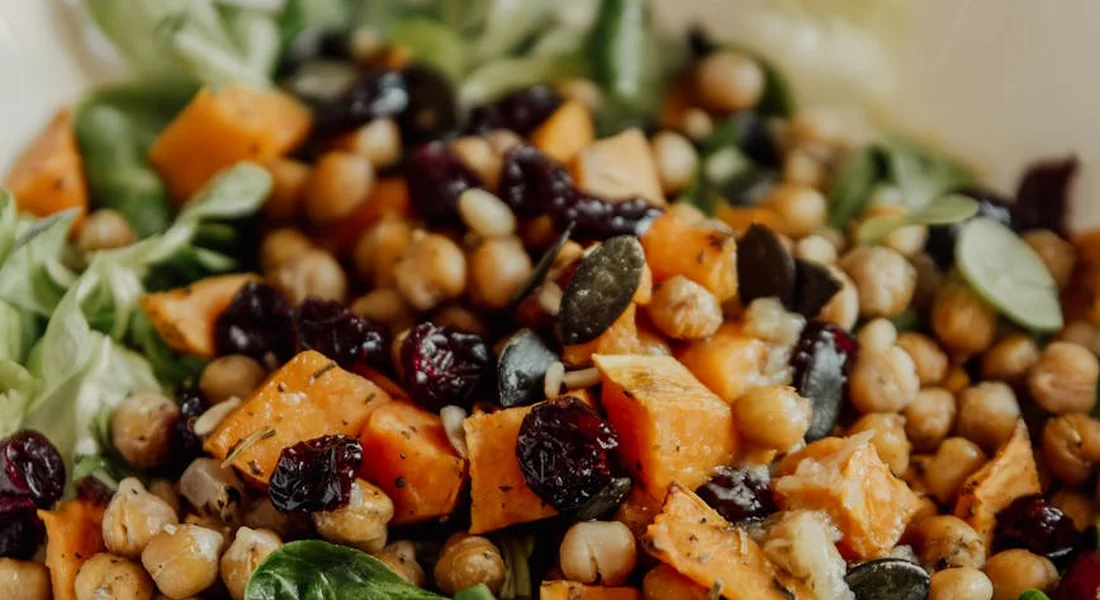
Foraging for your guinea pig can feel like a treasure hunt, but a single misstep can have serious consequences. I learned this the hard way after my guinea pig, Biscuit, had a mild reaction to a plant I misidentified in my own yard. Now, I follow a strict process to keep my herd safe. If you’re after a complete guide to foraging for your guinea pig, this post has you covered. It walks you through safe foods, portions, and warning signs to watch for.
Step 1: Master Plant Identification
Never guess. If you are not 100% certain, do not pick it. Use a reliable plant identification app or a trusted field guide specifically for your region. I always cross-reference with at least two sources before even considering a new plant for my pigs.
Step 2: Choose Your Harvesting Location Wisely
Where you forage is as important as what you forage.
- Avoid areas near roads where car exhaust and pollutants settle on plants.
- Steer clear of parks or lawns that may have been treated with chemical pesticides or herbicides.
- Do not pick from areas where dogs or other animals frequently relieve themselves.
Your own chemical-free backyard is often the safest bet, provided you know exactly what is growing there.
Step 3: The Washing Ritual
Every single foraged item must be washed, even from your own garden.
- Rinse the plants thoroughly under cool, running water.
- Gently swish them in a bowl of fresh water to dislodge any hidden dirt or tiny bugs.
- Pat them dry with a clean towel or use a salad spinner. Excess moisture can cause digestive upset.
A proper wash removes not just dirt, but potential environmental contaminants that could make your pet sick.
Step 4: Introduce New Foods Slowly
Your guinea pig’s digestive system is delicate. Introduce any new foraged food in a tiny, thumbnail-sized piece. Watch for any changes in their behavior or droppings over the next 24 hours. Only offer more if they show no adverse effects. Knowing what normal eating looks like helps you spot problems early. A healthy guinea pig should have a steady appetite and regular, well-formed droppings.
Recognizing the Signs of Poisoning in Guinea Pigs
Guinea pigs are prey animals and instinctively hide illness, so you must be a keen observer. Knowing these signs can mean the difference between a quick recovery and a tragedy. My Abyssinian, Clover, once stopped eating her favorite cilantro, which was my first clue something was wrong. From my experience, these signs can escalate toward a life-threatening condition, sometimes appearing as a hibernation-like shutdown. If you notice your guinea pig stop eating, be unusually still, or seem to hibernate, seek urgent veterinary care immediately.
Poisoning symptoms can appear within hours or be delayed. They range from mild to severe.
Mild to Moderate Symptoms
- Loss of appetite or refusing favorite treats.
- Lethargy or unusual lack of movement.
- Excessive drooling or wetness around the mouth.
- Diarrhea or unusually soft, misshapen droppings.
- Mild bloating or a hunched posture indicating abdominal pain.
A guinea pig who suddenly ignores their food is sending a major distress signal that demands your immediate attention.
Severe Symptoms Requiring Emergency Care
- Difficulty breathing, wheezing, or gasping.
- Twitching, tremors, or seizures.
- Collapse or inability to stand.
- Visible blood in urine or droppings.
- Extreme lethargy where they do not respond to your touch.
If you witness any severe symptoms, this is a critical emergency. Contact your veterinarian or an emergency animal clinic immediately. Do not wait to see if they improve.
What to Do While Seeking Help
- Immediately remove the suspected food source from their cage.
- Keep your guinea pig warm and quiet in a comfortable, familiar carrier.
- If possible, bring a sample of the plant you suspect caused the poisoning.
- Do not try to induce vomiting or give any human medications.
Your vet’s ability to correctly identify the toxin greatly increases the chances for an effective treatment. Acting quickly and calmly is the best help you can provide.
Immediate Actions to Take If Poisoning Is Suspected
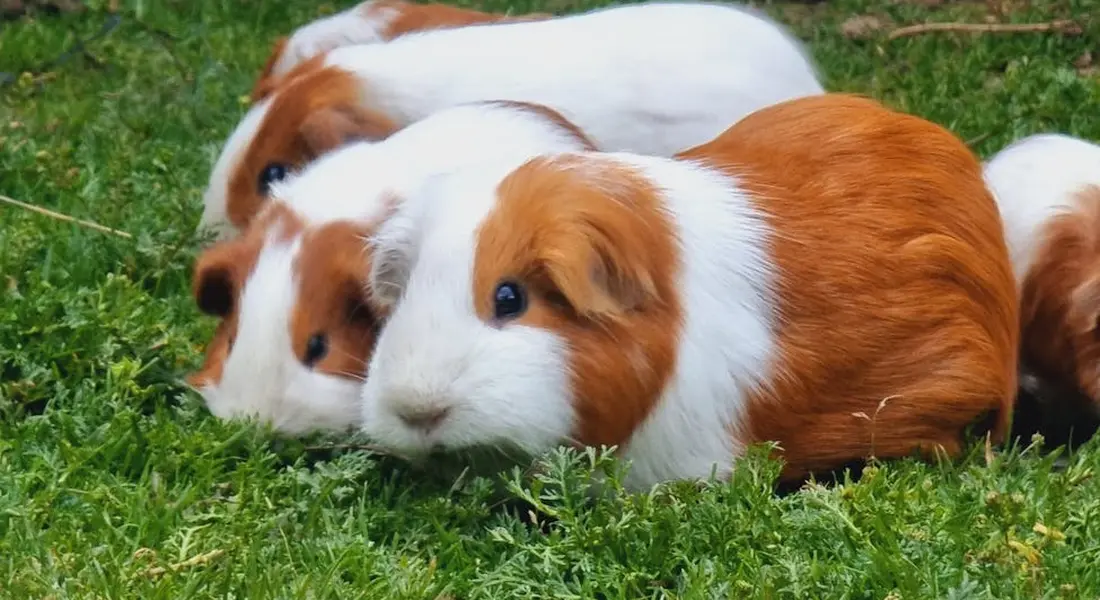
If you think your guinea pig ate something toxic, act quickly and calmly. Move your pet to a quiet, safe space away from other animals to reduce stress and prevent further exposure. When you’re preparing for a health check, handle him gently. Support the chest and hindquarters and keep him close to your body to prevent wriggling. I once had to do this with Clover after she sampled an unknown leaf during outdoor playtime.
Check their mouth for any leftover plant pieces and remove them gently. Immediately call your veterinarian or an emergency pet poison hotline for guidance-don’t wait for symptoms to appear. Time is critical in these situations.
- Isolate your guinea pig in a clean, familiar cage.
- Note what they ate, how much, and when-take a photo if possible.
- Contact a vet right away; describe the situation clearly.
- Keep your pet warm and offer fresh water unless advised otherwise.
Watch for signs like drooling, lethargy, or seizures, and share these details with the vet. Never try home remedies without professional input, as some can worsen the problem. My experience with Pepper taught me that quick, informed action can make all the difference.
Building a Long-Term Safe Foraging Habit
Start by learning which plants are safe and toxic in your area. Stick to well-known edible greens like dandelion leaves, clover, and Timothy hay, which my guinea pigs Pepper and Biscuit enjoy daily. Avoid anything sprayed with pesticides or growing near roads.
Introduce new foods slowly to prevent digestive upset. Offer small amounts of one new plant at a time and watch for any changes in behavior or droppings over 24 hours. This gradual approach helps you spot issues early.
- Grow a dedicated foraging patch with safe herbs like parsley or cilantro.
- Use clean, shallow trays for indoor foraging to control what they eat.
- Rotate forage items to provide variety and balanced nutrition.
- Always wash plants thoroughly to remove dirt and contaminants.
Involve your guinea pigs in supervised outdoor sessions to build their confidence. Regularly refresh your knowledge with reliable resources or local experts to keep their diet interesting and safe. I’ve found that consistency and patience create a joyful, hazard-free foraging routine for pets like Clover. It’s essential to ensure the safety of foraged leaves when introducing them to your pets.
FAQs
What are the key features of safe guinea pig foraging toys?
Safe foraging toys should be made from non-toxic, chew-safe materials like untreated wood or hard plastic. Avoid any toys with small, removable parts that could pose a choking hazard or cause digestive blockages.
How can I ensure a foraging flower mix is safe for my guinea pig?
Always verify that the mix contains only guinea pig-safe flowers, such as calendula or chamomile, and excludes any toxic plants or added seeds. Choose products labeled as organic and free from pesticides to minimize health risks. When feeding treats, ensure they are safe, especially when it comes to fruits – guinea pig-safe fruits.
Where is the best place to purchase foraging guinea pig flower mixes?
Look for reputable suppliers at specialty pet stores or trusted online shops that focus on small animal nutrition. Prioritize brands that provide full ingredient lists and have positive feedback from other guinea pig owners for reliability. An ideal overall diet for a healthy guinea pig focuses on hay as the main staple, plus fresh vegetables and appropriate pellets. Choosing reputable brands with transparent ingredient lists helps ensure these dietary goals are met.
Your Guinea Pig’s Safety Starts With You
Always double-check every plant and vegetable before it enters your guinea pig’s habitat, as many common plants are surprisingly toxic. Stick to verified safe foods and never assume a foraged item is harmless based on its appearance alone.
Being a responsible pet owner means committing to lifelong learning about your guinea pigs’ unique dietary and environmental needs. This emotional commitment is at the core of true guinea pig ownership. Embracing this journey not only keeps your pets safe but also deepens your connection to their natural, eco-friendly world.
Further Reading & Sources
- The Ultimate Guide to Foraging for your Guinea Pigs & Rabbits
- The Ultimate Guide to Foraging for your Guinea Pigs & Rabbits – Kavee
- Foraging for guinea pigs | Woodgreen Pets Charity
- Foraging For Guinea Pigs (free Food!) | The Guinea Pig Forum
Kate is a passionate guinea pig owner and advocate for small pet welfare. With over a decade of experience caring for guinea pigs, she has become a trusted voice in the small pet community.
Uncategorized