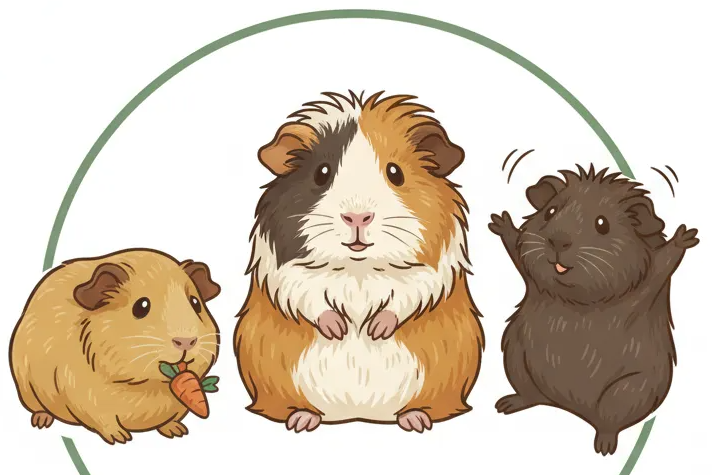
How to Store Guinea Pig Pellets for Maximum Freshness
Hello CavyFam! Have you ever worried your guinea pig pellets might lose their crunch and vital nutrients before your pets can enjoy them? I’ve been there too, and it’s frustrating when your furry friends miss out on the best quality food.
In this guide, I’ll share practical steps on choosing airtight containers, ideal storage spots, and routine freshness checks. Caring for my guinea pigs Pepper, Clover, and Biscuit has taught me reliable ways to keep their meals fresh and nutritious.
Why Proper Storage Matters for Guinea Pig Health
Storing pellets incorrectly invites mold and spoilage, which can seriously harm your guinea pig. My own pig, Biscuit, once refused his food after it sat in a flimsy bag, and I learned the hard way that stale pellets lose vital nutrients like vitamin C.
Guinea pigs have sensitive digestive systems that rely on fresh, high-quality food. When Clover had a minor tummy upset, my vet traced it back to old, compromised pellets that I hadn’t stored well. To avoid repeats, I now steer away from pellets with artificial colors, added sugars, or unnecessary fillers. Look for plain, high-fiber formulas based on Timothy hay with minimal additives.
- Moisture encourages mold growth and makes pellets clump.
- Oxygen exposure degrades fats and vitamins over time.
- Light, especially sunlight, breaks down nutrients quickly.
- Pests like ants or pantry moths can contaminate the entire supply.
Choosing the Right Container to Seal in Freshness
Not all containers protect pellets equally. I’ve tested various types and found that airtight containers are non-negotiable for keeping food as fresh as the day you bought it. Note: guinea pigs have different dietary needs than rabbits, so feeding rabbit pellets to a guinea pig isn’t recommended. The critical differences in pellet formulations—such as vitamin C requirements and calcium levels—mean guinea pig pellets are the safer choice.
- Glass jars with clamping lids block odors and are easy to clean.
- Food-grade plastic bins with rubber gaskets are lightweight and durable.
- Stainless steel tins resist pests and don’t absorb smells.
Follow these steps to pick the best container for your needs. Always choose a size that holds your pellet bag’s entire contents to minimize air exposure.
- Check the material is non-toxic and designed for food storage.
- Press on the lid to feel for a tight, secure seal before buying.
- Ensure the container fits in your storage area away from heat and light.
After opening, press out excess air from the bag before pouring pellets into the container. For extra pest protection, I place my container inside a cupboard, which has kept Pepper’s food safe for years.
Evaluating Airtight Containers for Maximum Protection
High-quality containers often include advanced features for pellet preservation. Containers with vacuum seal options remove nearly all air, drastically slowing nutrient loss.
Some modern containers even have built-in humidity indicators that change color if moisture levels rise. This simple visual alert can prevent you from accidentally feeding spoiled food.
Use this quick checklist to test any container’s seal at home:
- Close the lid and submerge the container in water-watch for bubbles.
- Place a piece of paper inside and wait a day-if it feels damp, the seal is weak.
- Listen for a distinct “pop” sound when opening, indicating air pressure was maintained.
Ideal Storage Conditions: Controlling Temperature and Humidity
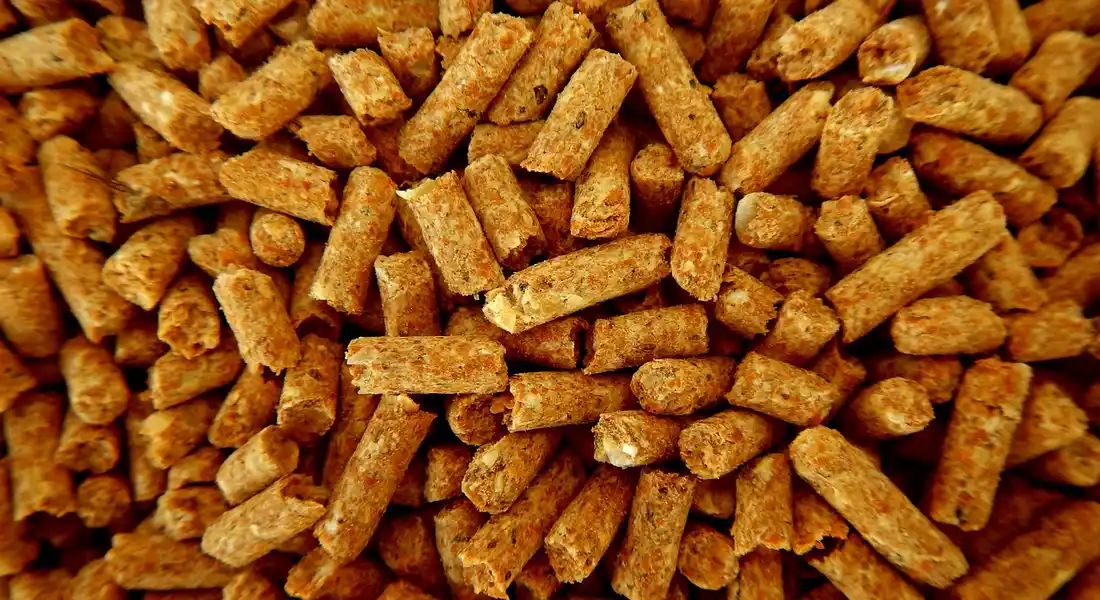
Your guinea pig’s pellets stay freshest in a cool, dry spot like a pantry or a dedicated kitchen cupboard. I always keep Pepper and Clover’s food in a lower cabinet, well away from the stove, oven, or any heating vents. Deciding between homemade and commercial pellets comes down to the pros and cons: control and freshness versus convenience and fortification. Homemade mixes let you tailor ingredients, but you must ensure vitamin C and calcium balance; commercial pellets are fortified and consistent, though they may include fillers. Heat accelerates spoilage and degrades those essential vitamins they need.
Light and moisture are the other big enemies of freshness. To monitor humidity, I use a simple digital hygrometer, aiming to keep the storage area below 50% humidity. If your home feels damp, a small dehumidifier in the room can make a huge difference for your pet’s pantry.
- Store pellets in a dark pantry, inside a cupboard, or in a closet.
- Never place the bag or container near a window where sunlight can hit it directly.
- Keep pellets elevated off a concrete basement floor, which can draw in moisture.
- Use silica gel desiccant packs inside your storage container to actively absorb ambient moisture.
Step-by-Step Guide to Storing Guinea Pig Pellets
Proper storage begins the moment you bring a new bag home. Following these simple steps ensures Biscuit gets the same nutritional quality from the first scoop to the very last. It becomes a quick and easy habit that pays off in your pet’s health.
- Before you even open the bag, check the manufacturer’s expiration or “best by” date. This tells you the maximum shelf life you’re working with.
- Immediately pour the pellets from the flimsy, permeable bag into a sturdy, food-grade airtight container. This is the single most important step I take.
- Choose a storage location that remains consistently cool and dark, avoiding spots that experience big temperature swings like a garage or an uninsulated shed.
- After every single feeding, make sure the container lid is sealed completely tight. This locks out oxygen and humidity that lead to staleness and mold.
How to Spot Signs of Stale or Moldy Pellets
Your guinea pigs’ health starts with the quality of their food. Regularly inspecting pellets helps prevent feeding something harmful to your pets. To choose the best pellets, refer to our Guinea Pig Pellets Ingredient Guide for what to look for in ingredients.
- Look for visual changes like fading from a rich green-brown to a dull gray, or any visible white, green, or black fuzzy spots indicating mold.
- Sniff the pellets; fresh ones have a mild, grassy smell, while stale or moldy pellets emit a musty, sour, or “off” odor.
- Check for clumping or a change in texture, as moisture often causes pellets to stick together, creating a breeding ground for mold.
If you discover spoiled pellets, dispose of them immediately. Never compost moldy pellets, as the spores can contaminate your compost pile and pose a wider risk. I seal them in a plastic bag before placing them in the trash to prevent any spores from spreading in my home.
From my own experience with Pepper, Clover, and Biscuit, I once noticed a bag had a faintly sour smell I almost dismissed. Catching that early odor saved my herd from potential digestive upset, teaching me to trust my nose during every refill of their food dish.
Can Guinea Pigs Eat Stale Pellets? Risks and Alternatives
Feeding stale pellets is a risk not worth taking. Stale or moldy food can cause serious health issues like digestive disturbances, respiratory problems from inhaled spores, or even poisoning from mycotoxins. If you’re transitioning your guinea pig to a new pellet brand, follow a simple step-by-step guide to minimize digestive upset. This gradual switch helps your pet adjust safely.
- Health risks include loss of appetite, lethargy, diarrhea, and in severe cases, liver damage. Always err on the side of caution.
- Safe feeding practices mean offering only fresh, crisp pellets. If in doubt, throw it out. Your guinea pig’s well-being is paramount.
You can repurpose stale but not moldy pellets creatively to avoid waste. I sometimes crush up old, dry pellets and mix them with soil as a mild, organic fertilizer for my non-edible plants. You can also use them for craft projects, like making papier-mâché shapes for kids, ensuring no animal will ingest them. If you’re buying pellets for a guinea pig, you may want to check the best guinea pig pellet brands reviewed and compared to pick reliable, nutrient-rich options. Comparing brands can help you choose pellets that stay fresh longer and minimize waste.
Tips for Buying and Handling Fresh Pellets from the Start
Freshness begins at the point of purchase. Always check the packaging for a manufacture or “best by” date, opting for the most recent date you can find. Avoid bags that feel damp, are torn, or have been sitting on a dusty shelf for who-knows-how-long.
- Select pellets from stores with high product turnover, as their inventory is likely fresher.
- Examine the bag through the packaging window if available, looking for vibrant color and no signs of dust or debris at the bottom.
Your storage habits from the moment you get home are crucial. Transfer pellets immediately from the bag into a dedicated, airtight container made of food-safe plastic or glass. I keep my container in a cool, dark pantry, far from heat sources like the stove or direct sunlight, which rapidly degrades nutrients.
Consider the broader impact of your choices. Supporting brands that use sustainable sourcing and recyclable packaging aligns pet care with planetary care. Buying appropriate-sized bags you can use within a few weeks reduces waste and ensures your guinea pigs always get the nutritional benefit they deserve. When planning supplies, distinguish must-have from nice-to-have items for guinea pigs to focus on essentials first. This clarity also helps prevent waste and unnecessary spending.
FAQs
How long can I store guinea pig pellets before they go bad?
Properly stored pellets typically remain fresh for up to 6 months, but always refer to the manufacturer’s expiration date for accuracy. Regularly checking for changes in smell or texture helps ensure they are safe to feed.
Is it safe to freeze guinea pig pellets to keep them fresh longer?
Freezing pellets is not recommended as it can cause moisture buildup and degrade essential nutrients like vitamin C. Instead, focus on storing them in a cool, dry, airtight container to maintain optimal freshness.
What should I do if I forget to seal the container after feeding?
Inspect the pellets for any unusual odors or clumping before resealing the container tightly. If you notice any signs of moisture or staleness, discard the affected portion to avoid health issues. When choosing between timothy hay vs alfalfa pellets for your guinea pig, timothy hay is generally the safer staple for adults. Alfalfa pellets can be offered in small amounts for growing youngsters or specific needs, but should be limited due to higher calcium and protein.
Are there any recommended container brands for optimal pellet storage?
While no specific brands are endorsed, prioritize containers with certified airtight seals and food-grade materials like glass or BPA-free plastic. Look for features like rubber gaskets or vacuum seals for enhanced protection against air and pests.
How frequently should I clean the pellet storage container?
Clean the container thoroughly each time you finish a bag of pellets to prevent residue buildup and contamination. Use warm, soapy water, rinse well, and ensure it is completely dry before adding new pellets to avoid mold growth.
Your Guinea Pigs Will Thank You!
By keeping pellets in a cool, dark place inside an airtight container, you lock in the vital nutrients your pets need to thrive. This simple routine prevents spoilage and ensures every meal is as fresh as the day you bought it. For a healthy daily routine, feed a measured portion of pellets suited to your guinea pig’s size and age. This portion should be balanced with plenty of hay and fresh vegetables for a complete diet.
Taking these small steps shows a deep commitment to your pets’ health and is a core part of responsible ownership. For guinea pig owners, that emotional commitment also means dedicating time to companionship and gentle social interaction. Guinea pigs thrive on steady routines and affectionate handling. I encourage you to keep learning; exploring sustainable pet care choices makes our world a little better for all its inhabitants, great and small.
Further Reading & Sources
- Pellet storage? | The Guinea Pig Forum
- Storage – How long can you store hay and pellets? – Guinea Pig Cages
- Storage – How to store pellet food? – Guinea Pig Cages
- Supreme Guinea Pig Food: Guinea Pig Pellets | Kaytee
Kate is a passionate guinea pig owner and advocate for small pet welfare. With over a decade of experience caring for guinea pigs, she has become a trusted voice in the small pet community.
Uncategorized