Best Guinea Pig Pellets: An Honest Review and Comparison
Hello, CavyFam! Choosing the right food for your guinea pigs can feel overwhelming. You want to provide the best nutrition, but the sheer number of options is confusing.
In this guide, I’ll walk you through my top picks and break down everything you need to know. We will cover key ingredients to look for, the ideal nutritional balance, and a direct comparison of popular brands.
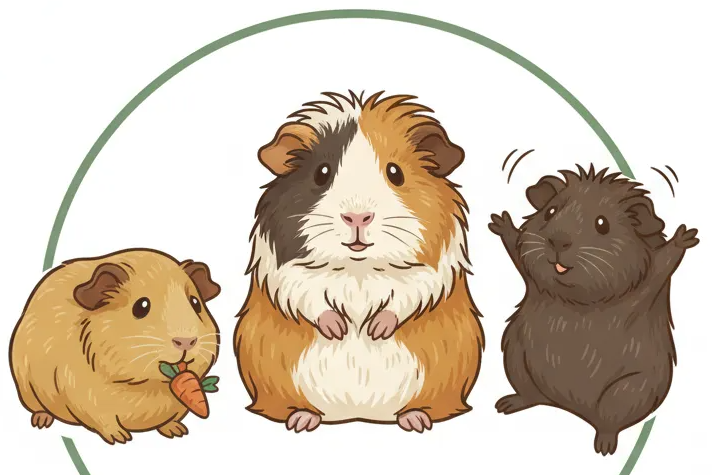
I’ve been a proud guinea pig parent to Pepper, Clover, and Biscuit for years, so this advice comes from firsthand experience in keeping my herd happy and healthy.
Understanding Guinea Pig Pellets and Their Role
Guinea pig pellets are compact, fortified food nuggets designed to provide a concentrated source of essential vitamins and minerals that might be missing from their primary diet of hay and fresh vegetables. Think of pellets as a daily multivitamin supplement, not the main course of their meal. When choosing between homemade and commercial pellets, it’s important to weigh the pros and cons of each approach. Homemade mixes can offer control over ingredients, while commercial pellets typically provide balanced nutrition and convenience.
The biggest difference lies in their roles. Fresh timothy hay should make up about 80% of their diet, providing the endless fiber needed for healthy digestion and constantly growing teeth. Fresh veggies deliver hydration and natural vitamin C. Pellets fill the nutritional gaps, ensuring they get a consistent, measured dose of stabilized vitamin C, which is vital since their bodies can’t produce it.
A common and dangerous misconception is treating pellets as a complete diet replacement. I learned this the hard way with my first guinea pig; a pellet-heavy diet led to weight gain and dental issues. Overfeeding pellets can crowd out the crucial hay consumption, leading to serious gastrointestinal and dental problems. This is one of the top 10 guinea pig diet mistakes that can lead to serious health issues. Pellets are a supporting actor, not the star of the show.
Top Guinea Pig Pellet Formulas Reviewed
The two main categories of pellets are defined by their primary ingredient. Timothy hay-based pellets are the gold standard for most adult guinea pigs, while alfalfa-based formulas are typically reserved for young, pregnant, or nursing pigs due to their high calcium and protein content. Choosing the right base is your first and most important step in selecting a healthy pellet, which involves understanding the difference between Timothy hay and alfalfa pellets.
| Pellet Type | Key Ingredients | Vitamin C Level | Fiber Content |
|---|---|---|---|
| Timothy Hay-Based | Timothy Hay Meal, Soybean Hulls, Wheat Middlings | Stabilized, added (varies by brand) | High (typically 22-25%) |
| Alfalfa-Free Formulas | Timothy Hay, Oat Hulls, Flaxseed | Stabilized, added (varies by brand) | Very High (typically 25%+) |
| Alfalfa-Based | Dehydrated Alfalfa Meal, Ground Corn, Wheat | Stabilized, added | Moderate (typically 18-20%) |
Pros and Cons of Popular Pellet Types
Timothy Hay-Based Pellets
- Pros: Excellent, balanced fiber source for adult pigs; lower in calcium and calories than alfalfa; supports healthy weight.
- Cons: Can be less palatable for pigs used to sweeter alfalfa; may contain other grains or fillers.
Alfalfa-Free Formulas
- Pros: Ideal for adult guinea pigs prone to urinary issues like bladder stones; eliminates the risk of excess calcium.
- Cons: Often more expensive; not necessary for every single adult pig if their diet is otherwise balanced.
Alfalfa-Based Pellets
- Pros: Excellent for supporting rapid growth in young pups under 6 months; good for underweight pigs needing to gain.
- Cons: Too rich for most adult guinea pigs and can contribute to obesity and urinary sludge.
Key Nutritional Elements in Quality Pellets
Your guinea pig’s health depends entirely on the nutrients packed into those tiny pellets. Vitamin C is non-negotiable, as guinea pigs cannot produce it themselves and a deficiency can lead to scurvy and joint pain.
- Essential nutrients include a consistent source of vitamin C (at least 50mg daily), high fiber from long-strand sources (minimum 18-20%), and moderate protein levels (around 14-16%).
- Stabilized vitamin C (listed as ascorbic acid or L-ascorbate) is crucial because it doesn’t break down quickly when exposed to air and light. I always check the ingredient list for this specific term, as I’ve seen pellets lose potency with less stable forms.
- Timothy hay-based pellets are superior for most adult guinea pigs because they are lower in calcium and calories than alfalfa-based versions. This helps prevent painful bladder stones and obesity, issues I’ve had to manage with my own older pig, Pepper.
How to Choose the Right Pellets for Your Guinea Pig
Selecting the perfect pellet isn’t just about the brand name. It’s a personalized choice for your specific pet.
- Evaluate your guinea pig’s age, health, and specific dietary needs. Young pups and pregnant sows benefit from alfalfa-based pellets for extra calcium and calories, while most adults thrive on timothy hay formulas. My senior pig, Clover, gets a precise pellet amount to maintain her graceful figure.
- Look for high-fiber, timothy hay-based formulas with no harmful additives like artificial colors, preservatives (BHA/BHT), or animal by-products. The first ingredient should always be a grass hay.
- Check for pellets with adequate, stabilized vitamin C and avoid those with seeds, nuts, or colorful bits. These extras are just sugary fillers that can cause selective feeding and digestive upset, which my clever Biscuit would absolutely fall for.
- Consider factors like price, availability at local stores or online, and bulk options. I balance quality with cost by buying larger bags from trusted brands online, but I always ensure they have a long shelf life to preserve that vital vitamin C.
Feeding Guidelines for Guinea Pig Pellets
Getting the pellet portion right keeps your guinea pig healthy and prevents weight issues. Knowing how much to feed each day helps prevent overfeeding or underfeeding. Typically, a small handful or a few tablespoons per day is plenty, adjusted for your pig’s weight and activity. I measure my guinea pigs’ pellets daily using a small kitchen scale for accuracy.
Daily Pellet Recommendations
Portions depend heavily on your pet’s life stage and size. An average adult guinea pig weighs about 2 pounds.
- Young Pups (Under 6 months): Unlimited, high-quality alfalfa-based pellets. They need extra calcium and protein for growth.
- Adults (Over 6 months): 1/8 cup of timothy-based pellets per day. My adults, Pepper and Clover, thrive on this amount.
- Senior or Overweight Pigs: Reduce to 1 tablespoon daily and consult your vet. I did this for a previous guinea pig with great success.
Balancing the Diet
Pellets are just one part of the nutritional puzzle. Timothy hay should make up about 80% of their diet and must be available 24/7 for proper digestion.
- Unlimited Hay: Supports dental health and gut motility.
- Fresh Vegetables: Offer about one cup daily per pig. Favorites in my home include bell peppers and romaine lettuce.
- Pellets: The final, smaller component for essential vitamins and minerals.
Avoiding Overfeeding and Monitoring Health
It’s easy to overdo pellets, especially with those cute begging faces. Consistently overfeeding pellets can lead to obesity and painful bladder stones.
- Stick to measured portions in a small, heavy ceramic bowl to prevent tipping.
- Weigh your guinea pig weekly to track any sudden gain or loss.
- Watch for changes in eating habits, water consumption, or droppings, as these are early health warning signs.
Sourcing and Storing Guinea Pig Pellets
Where and how you get your pellets impacts their quality and nutritional value. Finding a reliable, fresh source is as important as the brand you choose.
Where to Find Pellets
You have several convenient options for purchasing guinea pig food.
- Local Pet Stores: Great for immediate needs. I always check the “best by” date on the bag before buying.
- Online Retailers: Often offer better prices, especially with auto-ship subscriptions for consistent delivery.
- Farm Supply Stores: Can be a hidden gem for high-quality, bulk options at lower costs.
Buying in Bulk and Storage
Buying a large bag can be economical, but you must protect the pellets from spoilage. I transfer new pellets into a sealed, airtight container immediately after opening the bag.
- Choose a cool, dark, and dry place like a pantry or cupboard-never a garage or shed where temperatures fluctuate.
- Use the pellets within 3 months of opening to ensure they retain their vitamin C potency.
- Label your container with the opening date to help you track freshness.
Signs of Spoilage and Replacement
Old or spoiled pellets lose nutritional value and can make your pet sick. If the pellets smell musty, oily, or look discolored, it’s time to throw them out.
- Presence of bugs, moths, or webbing inside the bag or container.
- A change in texture, such as the pellets becoming soft or crumbly.
- Your guinea pig suddenly refusing to eat a pellet brand they previously enjoyed.
FAQs
Where can I find guinea pig pellets at Walmart?
Walmart typically stocks a variety of guinea pig pellets in the pet care aisle, including common brands like Kaytee. Always check the packaging for freshness and ensure the formula is timothy hay-based for adult guinea pigs. After purchase, transfer the pellets to an airtight container. Store in a cool, dry place away from moisture to help maintain freshness.
Is Oxbow a reliable brand for guinea pig pellets?
Oxbow is highly regarded for its quality, timothy hay-based pellets that include stabilized vitamin C and no artificial additives. Many veterinarians recommend it for supporting overall guinea pig health and nutrition.
What are alternatives to commercial guinea pig pellets?
Alternatives include fortified hay cubes or carefully balanced homemade mixes, but these require expert guidance to meet nutritional needs. Always consult a vet before switching to avoid deficiencies in essential vitamins like C.
Are guinea pig pellets safe for humans to consume?
Guinea pig pellets are formulated for animal digestion and are not intended for human consumption. They may contain ingredients that are not safe or beneficial for people, so it’s best to avoid eating them. Some common harmful ingredients to watch for in pet pellets include high calcium levels, artificial additives, and fillers. When considering common harmful ingredients in pellets, guinea pig pellets should be avoided as a food for humans.
Can I purchase guinea pig pellets at Petsmart?
Petsmart carries a range of guinea pig pellet brands, such as Oxbow and Kaytee, available both in stores and online. Verify the pellet type suits your guinea pig’s age and dietary requirements before buying, and read a review of Kaytee to make an informed decision.
Your Guinea Pig’s Health Starts Here
Choosing the right pellets means focusing on high-fiber, natural ingredients to keep your guinea pig’s digestion smooth and energy levels stable. Based on my years with Pepper, Clover, and Biscuit, I always recommend brands that avoid cheap fillers and prioritize whole foods for long-term vitality. For a closer look at high-quality pellet ingredients, see my guinea pig pellets ingredient guide. It breaks down fiber sources, safe vitamins, and common fillers to avoid.
Stay curious about guinea pig care by reading up on nutrition updates and selecting eco-friendly options that reduce waste and support animal welfare. Your dedication to learning and making thoughtful choices helps create a safer, greener home for your furry friends to thrive in.
Further Reading & Sources
- r/guineapigs on Reddit: What Guinea pig pellets do you recommend?
- Premium Guinea Pig Pellets | Guinea Pig Food – Small Pet Select U.S.
- Pellets – Best Guinea Pig Pellets? – Guinea Pig Cages
- Guinea Pig Nuggets | Best Guinea Pig Pellets & Fruity Nuggets | Burgess Pet Care
Kate is a passionate guinea pig owner and advocate for small pet welfare. With over a decade of experience caring for guinea pigs, she has become a trusted voice in the small pet community.
Uncategorized