Timothy Hay vs. Alfalfa Pellets: The Best Choice for Your Guinea Pig
Hello CavyFam! Choosing the right food for your guinea pig can feel confusing, especially when you’re worried about their long-term health and happiness. I’ve been there, staring at the pet store shelves, wondering if I’m making the best choice for my herd.
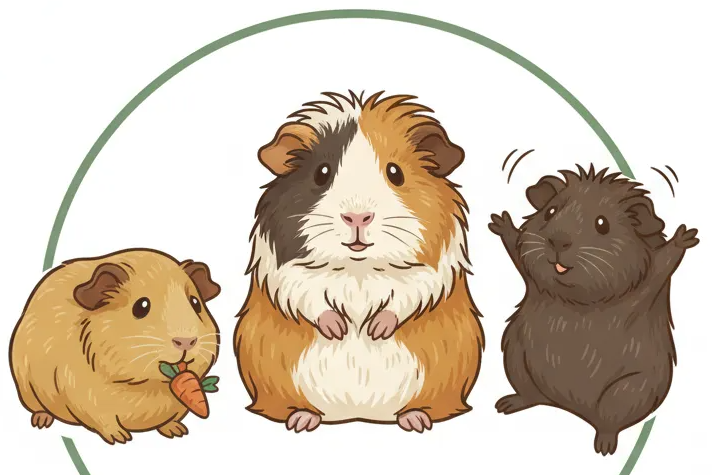
In this guide, we’ll break down the key differences between these two popular foods, covering nutritional content, age-specific needs, dental health benefits, and practical feeding tips. With three guinea pigs of my own-Pepper, Clover, and Biscuit-I’ve navigated this exact decision to keep them thriving.
What Makes Timothy Hay and Alfalfa Pellets Different?
Timothy Hay: The Fiber Powerhouse
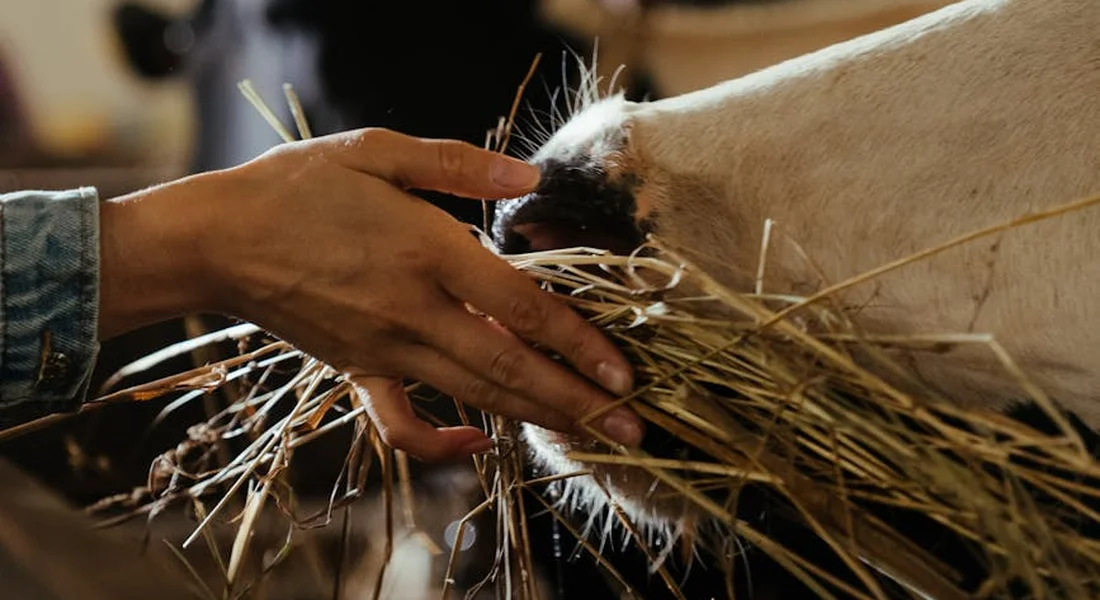
Timothy hay is the long-strand, stalky grass that should form the bulk of your guinea pig’s diet. Its primary job is to provide the immense amount of roughage needed to keep their digestive systems in constant, gentle motion. I always keep a huge pile of it in my herd’s enclosure; they munch on it all day long, and I can literally hear the satisfying crunch as they grind down their ever-growing teeth.
Think of it as the foundational roughage, like the leafy greens in your own diet. Without this constant fiber intake, a guinea pig’s gut can slow to a dangerous halt, leading to a painful and often fatal condition called GI stasis. It’s not just food; it’s a vital digestive and dental maintenance tool.
Alfalfa Pellets: The Nutrient-Dense Option
Alfalfa pellets are a concentrated food made from the alfalfa plant, which is a legume, not a grass. These small, compact pellets are packed with protein and calcium, designed to support rapid growth and development. I used them when my Peruvian, Biscuit, was a tiny baby, and she thrived on the extra nutrients.
However, this density is a double-edged sword. Because they are so rich, alfalfa pellets are like a powerful dietary supplement rather than a staple food for most adult guinea pigs. Overfeeding them to a full-grown pig can lead to unhealthy weight gain and urinary issues from too much calcium.
Understanding Your Guinea Pig’s Nutritional Needs
Why Fiber is Non-Negotiable
A guinea pig’s digestive system is a fermentation machine that requires a steady flow of fiber to function. High-fiber timothy hay literally pushes food through their long intestines, preventing dangerous blockages and keeping their gut flora healthy. Sticking with high-fiber hay also helps prevent common hay-related health problems like dental overgrowth and GI stasis. Regular access to hay keeps teeth and digestion on track. When my gentle pig, Pepper, had a minor digestive slowdown, the vet’s first instruction was to encourage even more hay consumption, and it worked wonders.
Their teeth are another critical reason. Guinea pig teeth grow continuously, and the abrasive action of chewing fibrous hay is the natural way they wear them down to a safe length. Without it, their teeth can become overgrown, making eating painful and impossible.
The Role of Calcium and Vitamin C
Calcium is essential for strong bones and teeth, but balance is everything. Young, growing guinea pigs and pregnant mothers need the high calcium in alfalfa to build their skeletons. For adults, excess calcium is excreted through urine and can form painful bladder stones, which is why I transitioned my herd to a low-calcium timothy hay-based diet after they reached one year old.
Vitamin C is the other non-negotiable. Since guinea pigs cannot synthesize their own Vitamin C, they must get it daily from their diet to prevent scurvy. I supplement my pigs’ hay and pellets with fresh, high-Vitamin C veggies like bell peppers and kale, which my thoughtful Abyssinian, Clover, eagerly anticipates every morning. So, how much vitamin C do guinea pigs need daily? They require a steady daily supply because they can’t produce it themselves.
Feeding Guidelines by Age and Health

For Young and Growing Guinea Pigs
Young guinea pigs, like my Biscuit who is just one year old, are in a rapid growth phase and have higher nutritional demands. Unlimited alfalfa pellets provide the concentrated calcium and protein necessary for developing strong bones and muscles. I always kept a small dish of alfalfa-based pellets available for Biscuit during her first year.
However, you must also introduce Timothy hay from the very beginning. Starting Timothy hay early trains their digestive system and wears down their constantly growing teeth properly. I offered both to Biscuit, and she naturally learned to balance her intake as she matured.
For Adult and Senior Guinea Pigs
For adults like my steady Pepper and graceful Clover, the dietary focus shifts dramatically. Their main staple must be unlimited, high-quality Timothy hay, which provides the necessary fiber without excess calories or calcium. This simple change is the most effective way to prevent obesity and urinary tract issues in mature pigs.
Alfalfa becomes a rare treat, if offered at all. I only give my adults a single alfalfa pellet as a special reward maybe once a week, ensuring it doesn’t disrupt their balanced diet. For seniors with weight loss issues, a veterinarian might recommend a slight dietary adjustment, but Timothy hay remains the cornerstone.
Health Benefits and Risks of Each Option
Promoting Dental and Digestive Health
The long, fibrous strands of Timothy hay are non-negotiable for a healthy guinea pig. Chewing hay creates the abrasive action needed to grind down their teeth, which never stop growing. Without this, their teeth can become overgrown, causing pain and an inability to eat.
Fiber is the engine of their digestive system. Timothy hay’s high fiber content keeps their gut moving, preventing dangerous and often fatal gastrointestinal stasis. While alfalfa pellets contain fiber, their structure doesn’t provide the same crucial dental wear or gut motility benefits.
Avoiding Common Dietary Pitfalls
The biggest risk with alfalfa pellets for adult guinea pigs is their high calcium content. Consuming too much calcium can lead to the formation of painful bladder stones, a serious and costly health condition. I learned this the hard way with a previous guinea pig and now vigilantly monitor my herd’s diet. I also avoid common harmful ingredients found in many pellets. Choose Timothy-based, high-fiber blends with no added sugars or artificial colors.
Alfalfa is also richer in calories and protein. Overfeeding alfalfa pellets to a sedentary adult guinea pig is a fast track to unhealthy weight gain, putting strain on their little hearts and joints. Sticking to measured Timothy hay and limited Timothy-based pellets keeps my pigs at a healthy, active weight.
How to Introduce and Balance Hay and Pellets
Step-by-Step Transition Plan
Changing your guinea pig’s food suddenly can upset their sensitive digestive system. I always recommend a slow transition over 7-10 days to allow their gut bacteria to adapt safely. Start by mixing a small amount of the new food with their current diet.
- Days 1-3: Offer a mix of 75% old food and 25% new food.
- Days 4-6: Shift to a balanced 50/50 mix of old and new food.
- Days 7-10: Provide 25% old food and 75% new food.
- Day 11 Onward: You can fully switch to the new diet.
Watch their droppings closely during this period. Firm, oval-shaped poop is a great sign that their stomach is handling the change well. If you see soft or misshapen droppings, slow the transition down.
Ensuring Dietary Variety and Enjoyment
While hay and pellets form the foundation, variety keeps mealtime exciting. My guinea pigs, Pepper and Clover, get visibly more active when I add fresh, guinea pig-safe veggies to their diet. This mimics the diverse foraging they would do in the wild. In our complete guide to foraging your guinea pig, you’ll learn how to safely introduce new veggies, rotate foods for enrichment, and keep portions balanced.
- Leafy Greens: Romaine lettuce, cilantro, and kale are favorites in my home.
- Forage Mixes: Sprinkle a small handful of dried forage like dandelion leaves or chamomile flowers over their hay.
- Veggie Rotation: Offer different vegetables each day to provide a range of nutrients and prevent boredom.
Remember, treats like fruit should be just that-a rare treat. Their main source of joy and nutrition should always be that unlimited, high-quality hay.
Recognizing Signs of a Healthy Diet
What to Look for in Daily Check-Ins
A well-fed guinea pig is a happy and active one. You can tell a lot about their health just by observing their daily habits and physical condition. To know if your guinea pigs are happy, watch for signs like steady energy, curiosity, and relaxed grooming. These cues help me ensure their needs are met. I make it a part of my morning routine to check on each of my pigs. For more information, you can also visit this guide on how to recognize happiness in your pets.
- Consistent Eating: They should be munching on hay throughout the day and eagerly approaching pellet time.
- Bright Eyes & Clean Nose: Their eyes should be clear and free of discharge, and their nose should be dry.
- Glossy Coat: A soft, thick, and shiny coat is a direct reflection of good internal health.
- Steady Weight: Weighing them weekly with a small kitchen scale is the best way to catch any gradual weight loss.
Healthy, abundant droppings are one of the clearest indicators that their digestive system is working perfectly. You should see plenty of them in the cage.
When to Adjust Your Guinea Pig’s Food
Even with the best plans, sometimes a diet needs tweaking. Listen to your guinea pig—they will show you what they need through their behavior and body. My pig Biscuit once started leaving his pellets, which was my cue to reassess. So, what do normal guinea pig eating habits look like? In general, they nibble hay constantly, snack on small amounts of pellets, and get daily greens.
- Weight Gain: If your adult guinea pig is getting chubby, cut back on pellets and high-sugar veggies.
- Weight Loss: Unexplained weight loss means you should increase their pellet portion and consult a vet.
- Dental Problems: Difficulty eating or overgrown teeth signal a critical need for more coarse, fibrous hay to grind teeth down.
- Lethargy or Dull Coat: This can indicate a lack of vital nutrients, often remedied by ensuring a high-vitamin C pellet and fresh greens.
Any sudden change in eating habits or energy level warrants a call to your veterinarian to rule out underlying illness. It’s always better to be safe.
FAQs
What is the difference between hay cubes and pellets for guinea pigs?
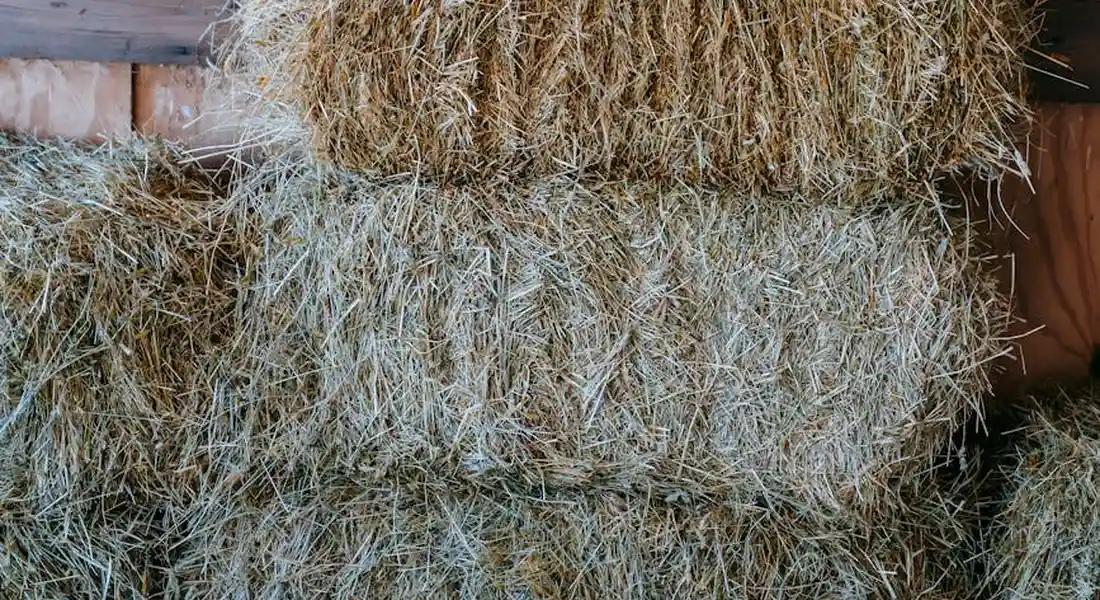
Hay cubes are compressed blocks of loose hay that retain long strands, promoting dental wear and chewing similar to traditional hay. Pellets are ground and formed into small, uniform pieces, often with added nutrients, but they lack the fibrous length needed for optimal dental health.
How does the cost of hay pellets compare to loose hay for guinea pigs?
Hay pellets are generally more expensive per pound than loose hay due to processing and packaging costs. However, pellets may reduce waste and offer longer shelf life, but loose hay remains essential for daily fiber and should not be skipped to save money.
Can hay pellets completely replace loose hay in a guinea pig’s diet?
No, hay pellets cannot fully replace loose hay because they do not provide the long, abrasive strands necessary for wearing down continuously growing teeth. Loose hay is vital for maintaining digestive motility and preventing serious health issues like GI stasis.
Are alfalfa pellets suitable for all life stages of guinea pigs?
Alfalfa pellets are best for young, growing guinea pigs and pregnant or nursing mothers who need extra calcium and protein for development. Adult and senior guinea pigs should avoid alfalfa pellets to prevent urinary stones and obesity, opting for timothy-based options instead. For help choosing the best pellets, take a look at our guinea pig pellets ingredient guide.
What are the storage recommendations for hay pellets versus loose hay?
Hay pellets should be stored in a cool, dry place in an airtight container to prevent moisture absorption and spoilage. Proper storage of guinea pig pellets helps maintain their freshness. Loose hay requires a well-ventilated, dark area to maintain freshness and avoid mold, which can be harmful if ingested.
So, Which Should You Choose?
For most adult guinea pigs like my trio—Pepper, Clover, and Biscuit—unlimited, high-quality Timothy hay is the absolute foundation of their diet, while alfalfa-based products are best reserved as a special treat or for growing youngsters. Timothy hay supplies essential fiber for digestion and keeps teeth worn down. That’s why hay is important in a guinea pig’s daily diet. This simple guideline helps prevent obesity and urinary issues, keeping your pets healthier for longer.
Your journey as a pet owner doesn’t stop here; I encourage you to keep learning about their complex needs and consider eco-friendly choices like biodegradable bedding. Caring thoughtfully for our small companions is a rewarding responsibility that deepens the bond we share with them.
Further Reading & Sources
- What Is the Difference Between Alfalfa and Timothy Hay?
- Timothy Hay V Alfalfa Hay – The Little Hay Company
- Hay for Rabbits – Alfalfa Hay vs Timothy Hay | Purina Animal Nutrition
- The Hay Wars: The Truth About Grass Hay vs. Alfalfa Hay – Mobile Veterinary Services
Kate is a passionate guinea pig owner and advocate for small pet welfare. With over a decade of experience caring for guinea pigs, she has become a trusted voice in the small pet community.
Uncategorized