How to Safely Switch Your Guinea Pig’s Pellet Food
Hello CavyFam! Thinking about changing your guinea pig’s pellet brand but worried it might upset their sensitive tummy? You’re right to be cautious-a sudden switch can really disrupt their digestion.
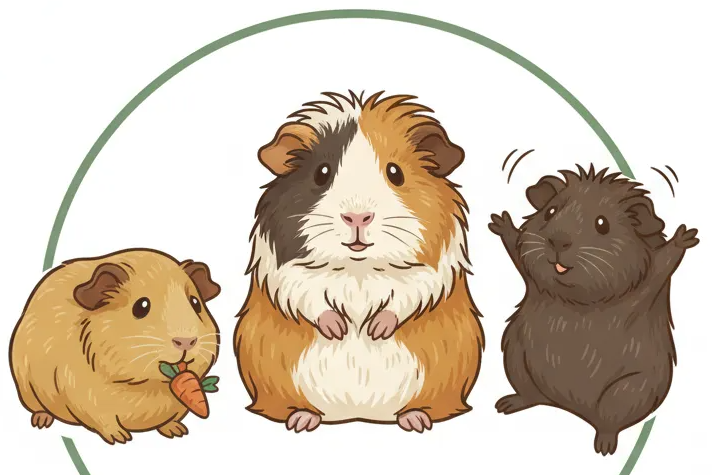
In this guide, I’ll walk you through the safest transition methods, spotting digestive issues, choosing quality pellets, and adjusting portion sizes. I’ve personally managed this process with my own trio-Pepper, Clover, and Biscuit-each with their own unique tastes and tolerances.
Why Change Your Guinea Pig’s Pellet Brand?
-
Health concerns often prompt a switch, such as allergies causing skin irritation or weight issues from low-quality fillers. I noticed Pepper’s golden-brown coat lost its luster on a pellet with too much corn, so I sought a better option. Always check for ingredients that support overall wellness.
-
Fiber intake is critical for digestion, so aim for pellets with 16-20% crude fiber to prevent issues like bloating. Vitamin C levels matter hugely because guinea pigs can’t produce it, and deficiencies lead to scurvy. Look for stabilized vitamin C and avoid preservatives like BHA or BHT, which can harm their sensitive systems. Additionally, be cautious of common harmful ingredients in pellets—artificial colors, added sugars, or excessive fillers. Always read the ingredient list and choose brands that avoid these additives.
-
Personal experiences show how small changes boost vitality. When Clover seemed lethargic, I swapped her pellets for a brand with higher fiber, and her graceful movements returned within days. Trust your observations to guide dietary adjustments for a happier pet.
When to Start the Pellet Transition
-
Signs like digestive issues—soft stools or reduced appetite—signal it’s time for a change. If your guinea pig ignores pellets or shows weight fluctuations, consider a new brand quickly. These cues often point to nutrient imbalances or poor palatability. So what do normal guinea pig eating habits look like? In a healthy guinea pig, hay should be the main staple, with pellets and fresh veggies eaten in moderation, and appetite should stay steady.
-
Timing depends on age, health, and diet stability; young guinea pigs need consistent nutrition, while seniors benefit from gradual shifts. Start transitions when your pet is healthy and eating well, not during growth phases or recovery. This minimizes stress and supports a smooth adjustment.
-
Avoid changes during illness or stress, like after a move or vet visit. I learned with Biscuit that dietary shifts during stressful times worsened his reserved behavior. Wait for calm periods to ensure their comfort and safety.
Choosing a New Pellet Brand
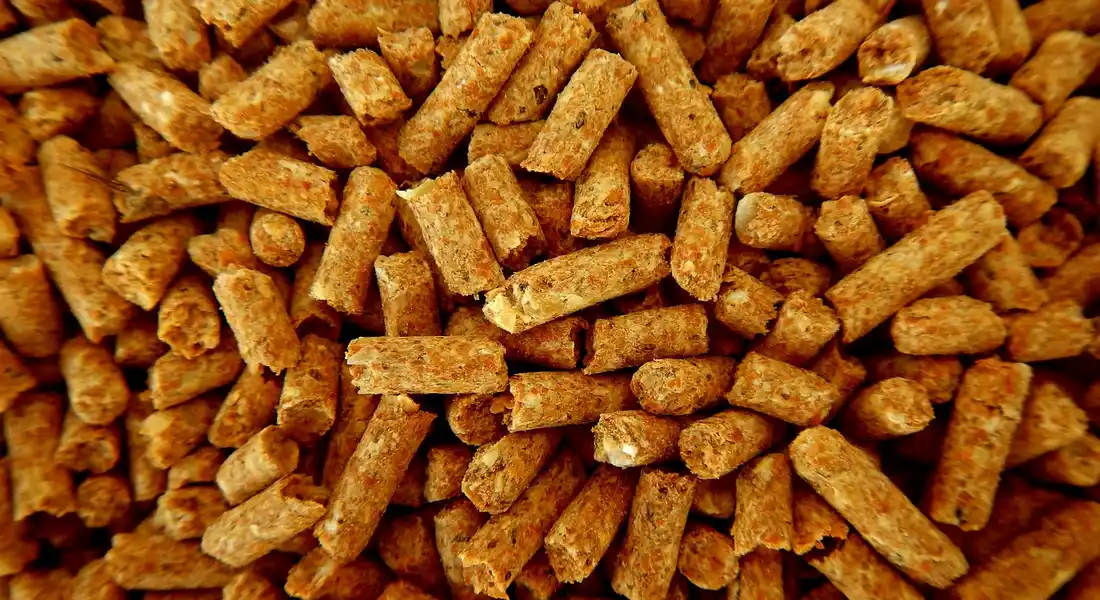
When I first considered switching pellets for my guinea pigs Pepper, Clover, and Biscuit, I spent hours comparing options to ensure their health and happiness. Selecting the right pellet brand can make a huge difference in your guinea pig’s energy levels and overall well-being. This post reviews the best guinea pig pellet brands and compares them side by side, helping you choose with confidence.
- Compare brands by examining ingredients lists for whole foods like timothy hay as the first item, checking pellet texture and size to match your pet’s chewing habits-my Abyssinian Clover prefers smaller, uniform pellets, while Peruvian Biscuit handles varied sizes well.
- Prioritize high fiber content, around 18-20%, to support digestive health, and guaranteed vitamin C levels since guinea pigs can’t produce it themselves; I always look for at least 50 mg per kg to prevent deficiencies.
- Read labels carefully to avoid harmful additives like artificial colors, sugars, or preservatives-opt for natural options without fillers such as corn or soy, which can upset sensitive stomachs.
After trying different brands, I noticed Pepper’s coat improved with a high-fiber, vitamin C-rich pellet that had no artificial ingredients. Always choose pellets that list hay as the primary ingredient to mimic their natural diet and prevent obesity.
Step-by-Step Guide to Transitioning Pellets
Transitioning pellets slowly is key to avoiding digestive issues, as I learned when Biscuit showed signs of discomfort during a rushed change. A gradual switch over 7-10 days helps your guinea pig’s system adapt without stress. For your new guinea pig’s first 30 days, this gradual approach is part of a complete week-by-week acclimation guide. It helps you plan feeding, housing, and handling milestones week by week.
- Start by mixing 25% of the new pellets with 75% of the old brand in their daily feeding dish to introduce the new taste and texture gently.
- Adjust the ratio every 2-3 days, increasing the new pellets by 25% each time until you reach 100% new pellets by the end of the week to 10 days.
- Monitor your guinea pig’s appetite and behavior daily-watch for changes in eating habits, energy, or stool consistency, and slow down if you see any signs of GI upset.
- Ensure constant access to fresh timothy hay and clean water throughout the transition to support digestion and keep them hydrated and comfortable.
I kept a simple journal during Clover’s transition, noting her reactions to adjust the pace as needed. Patience and observation are your best tools for a smooth and safe pellet change that supports long-term health.
Monitoring for Digestive and Appetite Changes
- Watch for signs of gastrointestinal upset such as diarrhea, reduced eating, or unusual stool consistency. I noticed Pepper had softer droppings during one switch, so I acted fast to adjust his diet. Other red flags include bloating, lethargy, or a sudden lack of interest in food.
- Observe weight and energy levels by weighing your guinea pig weekly and noting their activity. Using a simple kitchen scale, I track Clover’s weight every Sunday to catch any drops early. Pay attention to how much they move-Biscuit’s reserved nature means I watch for extra hiding or sluggishness.
- Keep a basic log with daily entries on food intake, weight, and behavior. This habit helped me spot when Biscuit ate less over two days, preventing a bigger issue. Jot down notes in a notebook or phone app for easy reference.
Troubleshooting Common Transition Problems
- Handle pellet refusal or picky eating by mixing small amounts of new pellets with the old brand. I blend them in a bowl to let my guinea pigs like Clover explore without pressure. Try offering the mix during their most active times, like morning feedings.
- Adjust the pellet ratios gradually if problems pop up, like slowing the transition pace. If Pepper showed any discomfort, I’d reduce the new pellets by 10% and wait a few days. This gentle approach keeps their digestion steady and stress-free.
- Pause or reverse the transition if symptoms like diarrhea or severe lethargy appear. Stop immediately and switch back to the old food-it saved Biscuit from worsening tummy troubles once. Consult a vet if issues persist to ensure your pet’s welfare comes first.
Long-Term Feeding and Storage Tips
Getting the feeding and storage right ensures your guinea pig stays healthy and happy for years.
Proper feeding amounts depend heavily on your pig’s age and current weight. Young guinea pigs under six months need unlimited pellets to support rapid growth, while adults require about 1/8 cup daily to prevent obesity. So, how much should your guinea pig eat each day? This daily pellet amount gives you a practical starting point you can adjust for weight and activity.
- Adjust portions if your pig gains or loses weight; for example, my gentle Pepper maintains her ideal weight with measured servings.
- Weigh your guinea pig weekly using a kitchen scale to catch any changes early.
- Offer pellets in a heavy ceramic bowl to avoid tipping and waste.
Store pellets in a cool, dark place inside an airtight container to preserve nutrients and flavor. I keep Biscuit’s food in sealed glass jars away from sunlight, which locks in freshness for months. Learn more about how to properly store guinea pig pellets to maintain freshness.
- Check expiration dates and buy smaller bags if you have just one or two pigs.
- Avoid plastic bags that can trap moisture and lead to mold.
- Smell the pellets occasionally; a rancid odor means it’s time to replace them.
Unlimited timothy hay should make up most of your guinea pig’s daily intake, with pellets as a supplement. Hay supports digestion and wears down constantly growing teeth. This is why hay is a cornerstone of a guinea pig’s diet, essential for dental health and gut function. Keep a constant supply available to meet their chewing needs.
- Place fresh hay in racks or piles twice a day to encourage natural foraging.
- Observe your pig’s eating habits; my thoughtful Clover always nibbles hay before touching her pellets.
- Mix in orchard grass or oat hay for variety and extra fiber.
When to Seek Veterinary Advice
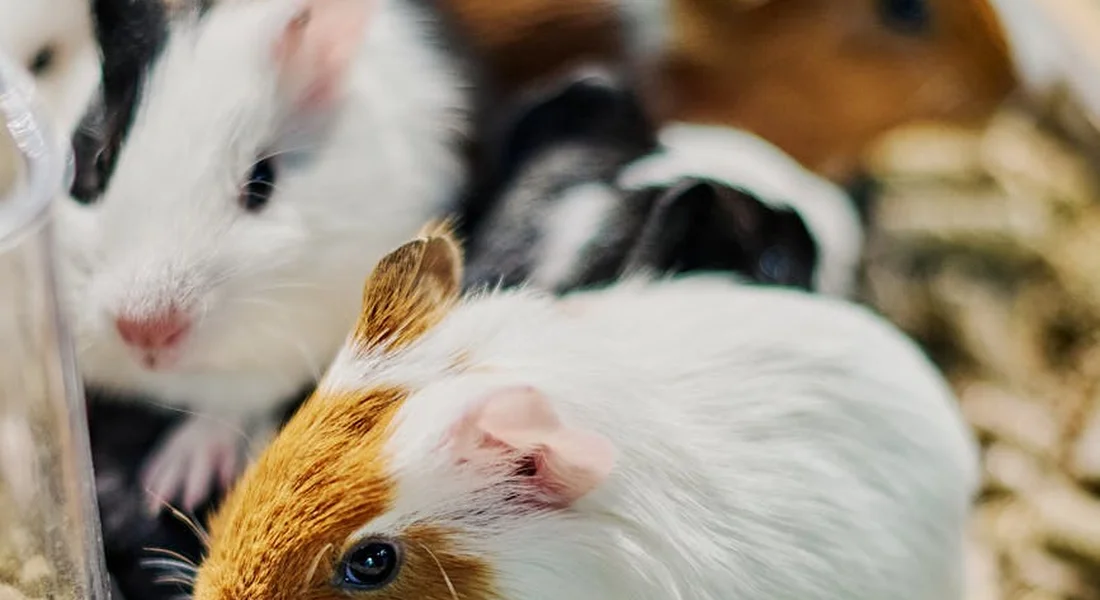
Even with careful transitions, some situations demand professional input to keep your guinea pig safe.
Contact your vet if you notice persistent diarrhea, bloating, or a sudden drop in appetite lasting over 12 hours. These signs can indicate serious digestive upset.
- Watch for lethargy or hunched posture, which I’ve seen in Biscuit during past health scares.
- Keep a log of symptoms and food intake to share with your veterinarian.
- Trust your instincts; you know your pig’s normal behavior best.
A vet can customize the pellet transition based on your guinea pig’s unique health profile. They might suggest specific brands or slower mixing ratios for sensitive pigs, especially when choosing between homemade or commercial pellets.
- Share your pig’s age, weight, and personality traits-like Pepper’s steady nature-to get tailored advice.
- Ask about blood tests or exams if underlying issues are suspected.
- Follow any prescribed probiotic or dietary supplements to ease the change.
Schedule a wellness check before starting any new diet to establish a health baseline. Regular visits help catch problems early and adjust care as needed.
- Plan follow-up appointments within a few weeks of the transition to monitor weight and digestion.
- Discuss dental health, since poor teeth can affect eating new pellets.
- Use these visits to ask about eco-friendly and animal-welfare-focused brands.
FAQs
How can I make the pellet transition easier for an older guinea pig?
Extend the transition period to up to 14 days for seniors, as their digestive systems are more sensitive. Monitor their weight and energy levels daily to catch any issues early.
What should I do if I have multiple guinea pigs with different eating habits?
Feed them in separate areas to track each guinea pig’s intake and prevent food dominance. This approach reduces food aggression between guinea pigs and helps manage mealtimes peacefully. Adjust the mixing ratios individually based on their acceptance and health responses.
Can I incorporate treats to help my guinea pig accept new pellets?
Offer small pieces of vitamin C-rich vegetables like bell peppers to entice them to try the new pellets. Avoid high-sugar fruits or treats that could cause digestive upset during the change.
Your Guinea Pig’s Health and Happiness
Switch pellets gradually over 7-10 days by blending old and new brands to avoid tummy troubles. Keep a close eye on your pet’s eating habits and energy levels to catch any issues early.
From caring for my guinea pigs Pepper, Clover, and Biscuit, I’ve seen how small changes in diet can boost their well-being. Opt for eco-friendly pellet options and reusable feeding supplies to make your pet care routine kinder to the earth.
Further Reading & Sources
- Pellets – Want to switch out pellet food – Guinea Pig Cages
- Is it OK to switch your guinea pigs’ food? | Blog | Burgess Pet Care
- How To Switch Guinea Pigs Onto Sherwood Pellets – YouTube
- Changing Food Over | The Guinea Pig Forum
Kate is a passionate guinea pig owner and advocate for small pet welfare. With over a decade of experience caring for guinea pigs, she has become a trusted voice in the small pet community.
Uncategorized