Keep Your Guinea Pigs Warm and Safe in Winter
Published on: January 23, 2026 | Last Updated: January 23, 2026
Written By: Kate M. Callahan
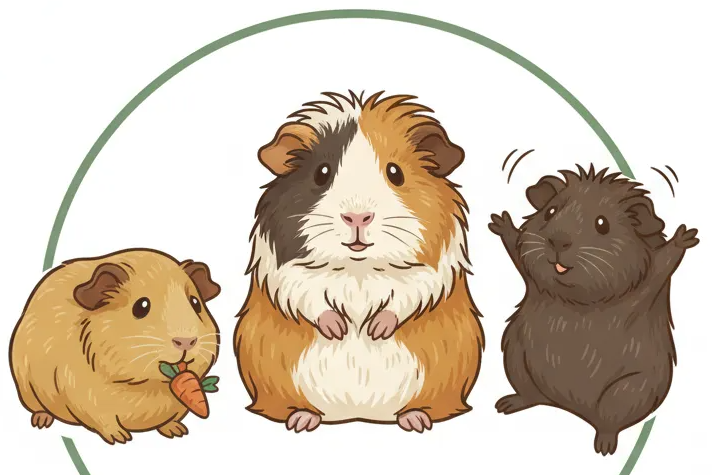
Hello CavyFam! Are you worried about the chilly weather affecting your guinea pigs’ comfort and health? I’ve felt that same concern each winter with my own cavies, Pepper, Clover, and Biscuit.
In this article, I’ll cover indoor housing setups, safe heating options, winter diet tweaks, and signs of cold stress. My years of hands-on experience with guinea pigs give me practical insights to help you protect your pets.
Understanding Guinea Pig Sensitivity to Cold
Guinea pigs originate from the mild climates of the Andes mountains, which means they never developed the natural defenses needed for harsh, freezing winters. Their bodies are simply not built to handle the kind of cold that many other pets might tolerate. I’ve noticed with my own trio-Pepper, Clover, and Biscuit-that even a slight draft from a window can make them huddle together and become less active.
Their small size and relatively high surface area mean they lose body heat much faster than we do. Unlike humans, they can’t simply put on a sweater; their primary insulation comes from their own fur and the warmth of their companions. This is why a sudden temperature drop is more than just uncomfortable for them-it’s a genuine health risk.
A chilly guinea pig is a stressed guinea pig, and stress can quickly weaken their immune system. I always watch for subtle changes in behavior, as this is often the first sign they are feeling the chill. You can also tell if your guinea pig is stressed or anxious by watching for signs such as pacing, hiding, or reduced appetite. A cold environment can also lead to serious respiratory infections, which can be particularly dangerous for these small animals.
Identifying Safe Temperature Ranges
The absolute safest temperature range for your guinea pigs is between 65°F and 75°F (18°C – 24°C). Keeping their habitat within this “Goldilocks zone” prevents their bodies from having to work overtime to stay warm. My rule of thumb is that if I’m comfortable in a t-shirt in their room, they are likely comfortable too. Monitoring and maintaining this temperature range is crucial for their health and happiness.
Once the temperature dips below 60°F (15°C), your pets are entering the danger zone. Prolonged exposure to temperatures this low can lead to hypothermia, a life-threatening condition where their body temperature drops dangerously low. I use a simple digital thermometer placed near, but not inside, their cage to monitor this constantly during colder months.
You must become a detective for signs of a cold guinea pig. Watch for them sitting puffed up for long periods, a clear attempt to trap warm air against their bodies. Other red flags include lethargy, a loss of appetite, and cold ears or feet to the touch. If you suspect your guinea pig seems sick, a complete home troubleshooting checklist can guide your next steps. Use it to assess symptoms and know when to contact a vet.
- Shivering or trembling
- Huddling together constantly, even during normal active hours
- Seeming unusually quiet and less vocal
- Nesting much more heavily than usual
Remember, guinea pigs are experts at hiding illness. By the time symptoms are obvious, they may already be in significant distress, so proactive temperature management is non-negotiable (especially for heat sensitivity). Trust your instincts-if you think it’s too cold for them, it probably is.
Recognizing Signs Your Guinea Pig Is Cold
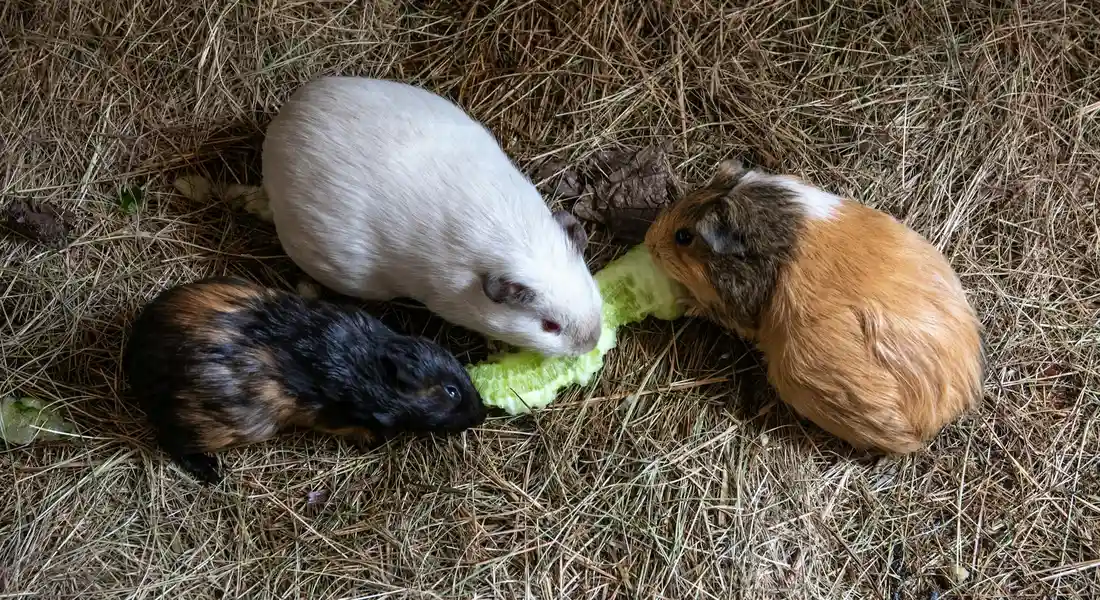
Your guinea pig can’t tell you they’re chilly, so you must watch their behavior closely. I’ve learned from my trio-Pepper, Clover, and Biscuit-that subtle changes often signal they need more warmth.
Behavioral Changes to Watch For
You might notice your pet acting differently than their usual self.
- Constant Huddling or Puffing Up: A guinea pig that stays balled up in a corner for long periods is trying to conserve body heat.
- Decreased Activity and Lethargy: If your normally curious piggy, like my Clover, suddenly loses interest in exploring or playing, the cold could be slowing them down.
- Reluctance to Leave Their Hidey: A cozy hut is great, but if they refuse to come out even for favorite veggies, it’s a red flag.
- Shivering: This is a more obvious sign; a slight, consistent tremble means they are actively cold.
Physical Clues You Can’t Ignore
Their body gives you direct feedback on their comfort level.
- Cold Ears and Feet: Gently feel their ears and little feet. If they feel cool to the touch, it’s time to warm them up.
- A Cool Nose: A healthy guinea pig’s nose is typically warm. A consistently cool nose can indicate their core temperature is dropping.
- Changes in Eating and Drinking: A cold guinea pig may eat and drink less to conserve energy. Monitor their food bowl and water bottle daily; any drop in consumption is a serious concern.
Indoor Warming Strategies for Cage and Room
Creating a warm, draft-free environment is your most important job during colder months. I’ve spent many winters fine-tuning the setup for my pets, and a layered approach works best.
Optimizing the Cage Setup
Transform their enclosure into a cozy winter haven.
- Deep, Snuggle-Worthy Bedding: Use a thick layer of paper-based or aspen bedding. I aim for at least 2-3 inches so my pigs can burrow down into it.
- Plenty of Enclosed Hideaways: Provide multiple enclosed huts or igloos made of wood, thick plastic, or fleece. These create microclimates that trap their body heat.
- Strategic Use of Fleece: Fleece liners or cuddle cups are fantastic. Fleece wicks moisture away while providing a soft, warm surface. Just check and change them frequently to ensure they stay dry.
- Safe Heat Sources: A microwavable heat pad designed for small animals, wrapped in a towel, can provide gentle warmth for a few hours. Never use human electric blankets or heating pads, as they can overheat or cause burns.
Controlling the Room Environment
Where you place the cage makes a huge difference to their wellbeing.
- Away from Drafts and Windows: Move the cage to an interior wall, far from drafty doors, windows, and air vents. A steady room temperature is the goal.
- Maintain a Consistent Room Temperature: Guinea pigs thrive at temperatures between 65°F and 75°F (18°C – 24°C). I keep a simple thermometer near their cage to monitor this constantly.
- Consider a Small Space Heater: If the room is particularly cold, a safe, tip-proof space heater placed at a distance can help. Always ensure it has an automatic shut-off feature for safety.
Effective Bedding and Insulation Techniques
Keeping your guinea pigs warm starts with the right bedding setup. I rely on deep, layered bedding to create a snug environment that mimics their natural burrowing instincts. With Pepper, who enjoys a steady routine, I’ve found that a mix of materials works best to retain heat without causing dampness. This approach aligns with the ultimate guide to safe bedding options for guinea pigs, emphasizing safe, absorbent materials and thoughtful layering to keep them warm and dry.
Choosing the Best Bedding Materials
Select bedding that is soft, absorbent, and safe for chewing. Opt for natural options like paper-based bedding or fleece liners to reduce irritation and promote warmth. For Clover, her graceful nature means she prefers smoother surfaces, so I avoid rough materials that could snag her fur.
- Fleece liners: Reusable and cozy, but require frequent washing to prevent odors.
- Paper-based bedding: Highly absorbent and low-dust, ideal for sensitive pigs.
- Timothy hay: Adds extra insulation and encourages natural foraging behavior.
Layering for Optimal Warmth
Build a thick base to trap heat and provide comfort. Start with a waterproof layer, add absorbent bedding, and top with soft hay for a warm, inviting space. I do this for Biscuit, and his reserved personality means he feels secure enough to explore his cage more freely.
- Place a fleece or towel at the bottom to wick away moisture.
- Add a 2-3 inch layer of paper bedding for cushioning.
- Top with fresh hay, which guinea pigs can snuggle into and eat.
Safe Use of Heating Aids Like Pads and Lamps
Heating aids can be lifesavers in cold weather, but safety is paramount. Always monitor temperatures and avoid direct contact to prevent burns or overheating. From my experience, I use a thermostat with heating pads to ensure a consistent, gentle warmth for all my pigs.
Types of Heating Aids and How to Use Them
Choose aids designed for small pets to minimize risks. Heating pads should cover only part of the cage, allowing guinea pigs to move away if they get too warm. With Pepper’s gentle demeanor, I place pads under one side of the cage so he can choose his comfort zone.
- Microwaveable heat pads: Warm quickly but cool fast; wrap in a towel to avoid hot spots.
- Electric heating pads: Use low settings and check for chew-proof cords.
- Ceramic heat lamps: Provide ambient warmth without light; position high to prevent access.
Essential Safety Steps
Follow these guidelines to keep your pets secure. Test heating aids outside the cage first and never leave them unattended for long periods. I learned this with Clover, as her thoughtful curiosity led her to investigate new objects, so I always supervise initial use.
- Set up heating aids on a timer to avoid constant exposure.
- Check for signs of discomfort, like panting or hiding.
- Keep cords and hot surfaces out of reach to prevent accidents.
Outdoor and Nighttime Warmth Considerations
If your guinea pigs live outdoors, winter requires a major rethink for their safety. My three guinea pigs-Pepper, Clover, and Biscuit-live indoors, but I’ve helped many owners transition their herds inside during cold months. The risks of frostbite, hypothermia, and respiratory illness are simply too high for outdoor housing in freezing weather.
Essential Cold-Weather Housing Adjustments
An unheated garage or shed is not a safe winter home. Drafts and dampness are silent dangers. Your primary goal is to create a stable, draft-free microclimate that stays consistently above 60°F (15°C). You can achieve this by moving the cage to the warmest part of your home, away from exterior doors and drafty windows.
- Insulate the cage walls with corrugated plastic or fleece-lined cage liners, but ensure ample ventilation remains.
- Place a solid-sided hideout, like a wooden hut with a small entrance, inside their enclosure to block drafts.
- Cover part of the cage at night with a thick blanket or specialized cage cover, leaving one side open for air flow.
Safe Heating Solutions for Night
Never use human heating pads or hot water bottles directly in the cage. They can cause severe burns. I always use a microwavable heat pad designed for small animals, wrapped in a thick towel and placed under one corner of the habitat. This gives them a choice to snuggle against the warmth or move away if they get too hot.
- Purchase a pet-safe microwavable disk or snuggle safe pad.
- Heat it according to the package directions-never make it scalding hot.
- Wrap it securely in a fleece cover or several layers of towel.
- Place it under the cage liner in a designated corner before you go to bed.
Ceramic heat emitters, the kind used for reptile tanks, are another excellent option. These devices produce heat without any light, so they won’t disrupt your pet’s sleep cycle. You must use them with a thermostat and a protective guard to prevent any contact with the cage or curious noses.
Nutrition and Hydration for Winter Health
Cold weather forces a guinea pig’s body to work harder to maintain its temperature. This increased metabolic demand means they need more calories from high-quality food, not just more food. I notice my own herd, especially the graceful Clover, becomes much more active in their cage during winter, which burns extra energy. In a complete guide for foraging your guinea pig, you’ll find practical tips to turn feeding into safe, enriching foraging activities. This approach helps meet their extra winter energy needs while keeping them engaged and healthy.
Boosting Calories and Vitamin C
Unlimited, fresh timothy hay is the absolute foundation of their diet. Digesting hay generates internal body heat, making it a natural and vital warming agent. Don’t reduce their daily portion of fresh, high-quality pellets, as these are a concentrated source of nutrients.
- Increase portions of leafy greens like romaine lettuce and cilantro slightly to provide extra hydration and nutrients.
- Offer small, warm treats. A tablespoon of plain, cooked oatmeal (cooled to room temperature) is a safe, warming carbohydrate.
- Double down on Vitamin C. A quarter of a bell pepper per pig daily helps support their immune system when they are most vulnerable.
Preventing Water from Freezing
Dehydration is a serious and often overlooked winter risk. I check their water bottle multiple times a day, as metal spouts can freeze surprisingly quickly, even indoors. Biscuit, my reserved Peruvian, is particularly fussy about his water and will refuse to drink if it’s too cold.
- Use a bottle cover or a thick sock wrapped around the bottle to insulate it.
- Refill with lukewarm water twice a day to encourage drinking.
- Consider offering water-rich vegetables like cucumber more frequently to supplement their fluid intake.
- For outdoor setups in milder climates, invest in a heated water bottle or a thermal bottle holder.
Monitor their eating and drinking habits closely. A sudden drop in appetite or water consumption is one of the first signs that a guinea pig is too cold and potentially unwell. Understanding what normal eating looks like helps you spot changes quickly. Normally, a healthy guinea pig nibbles hay most of the day and drinks water regularly, with steady intake of vegetables and pellets. A warm, well-fed, and hydrated guinea pig is a happy and healthy one, ready to enjoy the cozy winter months with you.
When to Consult a Veterinarian
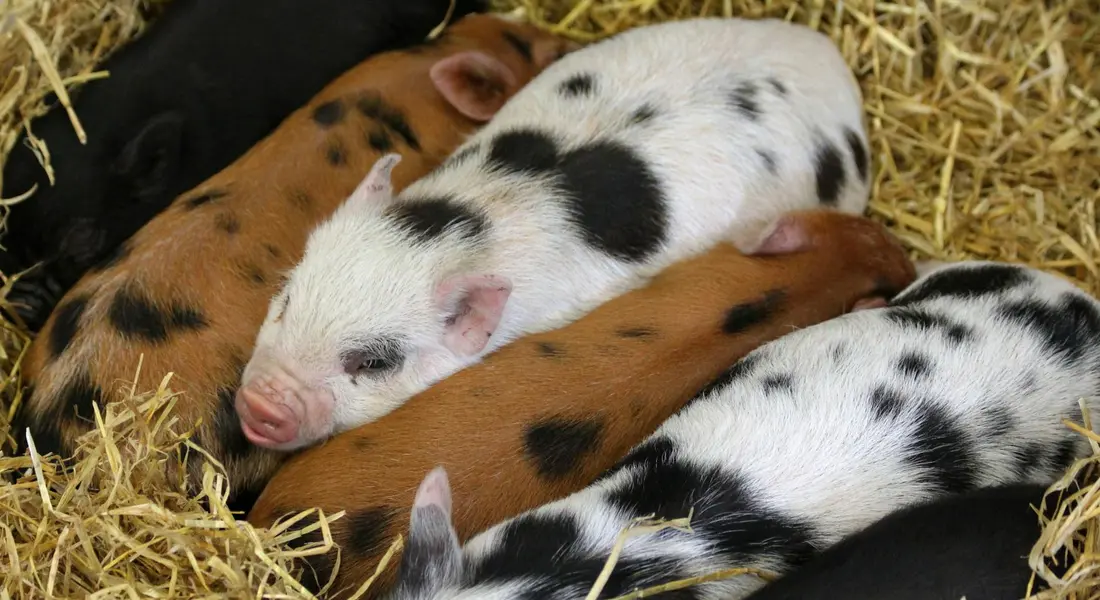
Guinea pigs are masters at hiding discomfort, so you need to watch closely for subtle changes. Any unusual behavior in winter could signal your pet is struggling with the cold or an underlying illness. I learned this firsthand when Clover, my Abyssinian, became unusually quiet one chilly evening, and a quick vet visit revealed she was on the brink of a respiratory infection. Unlike some animals, guinea pigs do not hibernate, so their behavior can be a more immediate indication of health issues during colder months.
Look for these specific signs that mean it’s time to call your vet immediately. Trust your gut-if something feels off, it’s better to be safe than sorry for your furry friend’s health.
- Persistent shivering or feeling cold to the touch, even in a warm room
- Loss of appetite or not drinking water for over 12 hours
- Lethargy, like not moving much or hiding more than usual
- Wheezing, sneezing, or discharge from the nose or eyes
- Hunched posture or difficulty breathing, which can indicate pain or illness
If you spot any of these symptoms, act fast to keep your guinea pig comfortable. Wrap them in a soft, warm towel and place them in a carrier with extra bedding while you contact the vet. From my experience with Biscuit, who once got too cold, this simple step can prevent shock and ease their stress during transport (especially when handling them during a health check).
- Check their temperature by gently feeling their ears and feet-if they’re icy, warm them up slowly with your hands or a warm (not hot) water bottle wrapped in a cloth.
- Offer a favorite treat like a small piece of bell pepper to see if they’ll eat, as refusal often points to serious issues.
- Call your vet right away to describe the symptoms and get advice on next steps; many clinics have emergency slots for small pets.
Winter can weaken their immune systems, so don’t wait for symptoms to worsen. Regular vet check-ups in colder months help catch problems early and keep your guinea pigs thriving. A seasonal care checklist keeps you prepared for spring, summer, fall, and winter. I always schedule a pre-winter visit for Pepper and the others to ensure they’re in top shape, and it’s made a huge difference in their well-being.
FAQs
How can I safely transport my guinea pig in cold weather?
Use an insulated carrier with extra bedding to maintain warmth during travel. Limit exposure to cold air by pre-warming the vehicle and keeping trips short.
Are there guinea pig farms that offer educational visits in winter?
Some farms provide indoor tours or special events to educate visitors on proper care during colder months. Always contact the farm in advance to confirm their winter schedule and animal comfort measures.
What winter care tips can I find on guinea pig farm TikTok accounts?
Many TikTok accounts from guinea pig farms share quick videos on DIY insulation and safe heating solutions. Look for verified creators who demonstrate best practices for keeping herds cozy in low temperatures.
How do guinea pig farms in cold climates like Tasmania insulate their enclosures?
Farms in Tasmania often use windproof structures and heated areas to shield animals from frigid conditions. They may incorporate deep straw layers and thermal covers to ensure consistent warmth for the herd.
Can I use a space heater near my guinea pig’s cage?
Place a safe, tip-proof space heater at a distance to avoid direct heat and drafts. Always use one with an automatic shut-off feature and monitor the room temperature closely to prevent overheating.
Keep Your Furry Friends Cozy This Winter
Remember, the best winter care combines monitoring your room’s temperature with providing plenty of cozy, safe bedding for burrowing. A healthy diet and gentle handling are just as vital for keeping their little bodies warm and happy.
Being a great guinea pig parent means always learning more about their unique needs and behaviors. Visit {website_name} for more guides, and consider eco-friendly choices like paper-based bedding to care for your pets and the planet.
Further Reading & Sources
- How to keep a guinea pig warm in winter | Blue Cross
- Guinea Pigs In Winter: You NEED A Winter Action Plan – Tiny Paws Guinea Pig Groomer
- Adapting your guinea pigs’ environment to changing seasons | Guinea Pig Awareness Week
- Keeping guinea pigs warm in winter – PDSA
Kate is a passionate guinea pig owner and advocate for small pet welfare. With over a decade of experience caring for guinea pigs, she has become a trusted voice in the small pet community.
Uncategorized