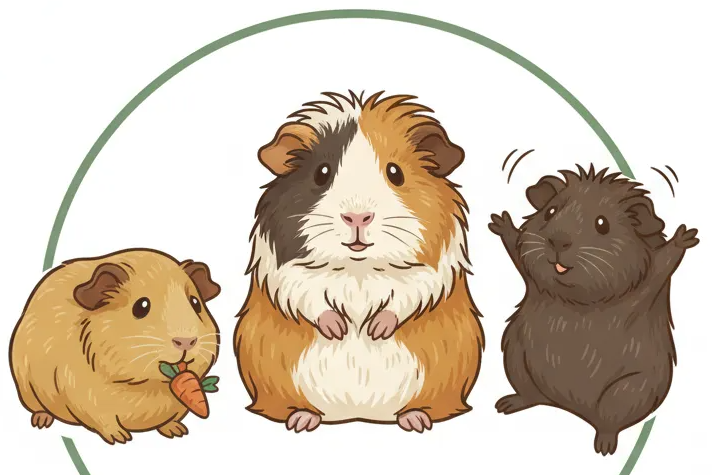
The 11 Biggest Health & Hygiene Mistakes Guinea Pig Owners Make
Hello CavyFam! Do you ever worry that small oversights in your guinea pig’s daily routine could lead to big health troubles down the road? Many loving owners accidentally make choices that impact their pets’ comfort and longevity without even realizing it.
I’ll guide you through the top areas where mistakes commonly happen, covering essentials like cage upkeep, diet, and grooming. Recognizing these pitfalls early can help you provide a safer, happier home for your furry friends.
- Infrequent or improper cage cleaning
- Feeding the wrong types of food or amounts
- Neglecting dental and grooming needs
- Overlooking signs of illness or stress
- Using unsafe bedding or handling techniques
Having cared for my own guinea pigs-Pepper, Clover, and Biscuit-for years, I’ve faced and learned from these challenges personally. My hands-on experience ensures this advice is practical and rooted in real-life care.
Dietary and Nutritional Errors That Compromise Health
Many owners unknowingly offer foods that seem healthy but can cause real harm. I learned this the hard way when my guinea pig Biscuit had digestive upset after I gave him a piece of iceberg lettuce. Its high water content offers little nutrition and can lead to diarrhea.
Other unsafe foods include potatoes, which are toxic, and anything from the onion family.
The Lifesaving Role of Vitamin C
Guinea pigs cannot produce their own vitamin C, making them prone to scurvy. I make sure my pigs, Pepper and Clover, get a daily dose of vitamin C-rich foods like bell peppers and kale. So, how much vitamin C do guinea pigs’ daily vitamin C need? They typically require a small daily amount—about 10-25 mg, which can be provided through a rotation of fresh produce. A deficiency shows through rough fur, lethargy, and difficulty moving.
For a reliable boost, I sometimes use liquid vitamin C supplements added to their water or critical care formulas, but fresh veggies are the best source.
Building a Hay-Based Foundation
Unlimited, high-quality hay should form about 80% of their diet. Timothy hay keeps their digestive systems moving and teeth worn down, preventing serious health issues. I always check my hay for freshness and avoid any that looks dusty or moldy. Together with hay, a daily variety of fresh greens helps complete an ideal overall diet for a healthy guinea pig. A small amount of fortified pellets can support balanced nutrition.
Pair this with a constant supply of clean, fresh water, changed daily, to support kidney function and overall hydration.
Cage and Environment Mistakes Leading to Hygiene Problems
A dirty cage is a breeding ground for bacteria and parasites. I do a full cage clean for my three pigs once a week, replacing all bedding and scrubbing the base with a pet-safe disinfectant. Spot cleaning for droppings and wet patches happens every single day. Want a complete schedule guide on how often to clean a guinea pig cage? It breaks down daily, weekly, and deeper cleans to keep your pigs healthy.
Using paper-based or aspen bedding helps control odor and is safer than cedar or pine shavings, which can cause respiratory issues.
Providing Adequate Space and Stimulation
Cramped quarters lead to stress, squabbles, and inactivity. The Humane Society recommends a minimum of 7.5 square feet for one guinea pig, but I provide even more for my trio. A larger enclosure encourages natural foraging and exploration behaviors. To help readers plan, refer to the complete space requirements guide for guinea pig cages. It details exact cage sizes by number of pigs, layout optimization, and enrichment tips.
I add enrichment like cardboard tunnels, hay racks placed away from sleeping areas, and safe wooden chews to keep them engaged and active.
Recognizing and Resolving Housing Stress
Watch for signs your guinea pig’s environment is causing distress. Hiding constantly, bar chewing, over-grooming, or a lack of appetite are clear indicators something is wrong in their home, possibly indicating stress or anxiety. My pig Clover started over-grooming when her cage was in a high-traffic, noisy area.
To maintain a clean, safe enclosure, ensure it’s in a quiet, draft-free spot, perform regular deep cleans, and provide multiple hideaways for a sense of security.
Grooming and Physical Care Oversights
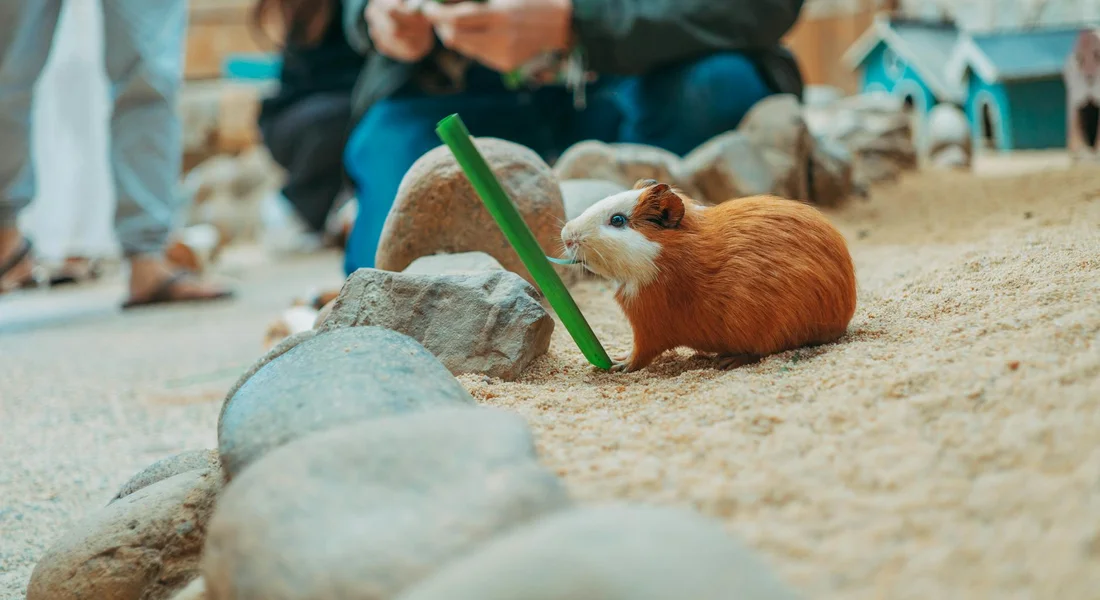
Many owners overlook how grooming varies by breed, leading to discomfort or health issues. From my years caring for Pepper, Clover, and Biscuit, I’ve seen firsthand that each breed has unique needs you can’t ignore.
Tailored Grooming for Different Breeds
- American breeds like Pepper have short, smooth coats needing a quick brush once a week to remove loose fur and distribute natural oils.
- Abyssinian types such as Clover sport rosetted fur that mats easily; comb her gently every few days with a soft-bristle brush to prevent tangles.
- Peruvian guinea pigs like Biscuit require daily attention; their long hair can trap debris, so I use a wide-toothed comb to avoid pulling and keep it clean.
Step-by-Step Nail Trimming Guide
- Hold your guinea pig securely on your lap or a non-slip surface to minimize movement.
- Use small animal nail clippers and trim just the tip, avoiding the pink quick inside the nail to prevent bleeding.
- Offer a favorite veggie treat afterward, like a carrot slice, to create a positive association-Biscuit always perks up for this!
Bathing should be rare to protect their skin’s natural oils. I only bathe my guinea pigs if they get into something messy, using lukewarm water and a mild, pet-safe shampoo no more than once every few months.
Essential Grooming Tools
- Soft-bristle brush for daily or weekly use
- Small nail clippers designed for pets
- Mild shampoo and a shallow basin for occasional baths
- Magnifying glass or bright light to check ears and skin closely
During grooming, inspect ears for dark wax or redness that could signal mites. Gently lift the ear flap and look for debris; if you spot anything unusual, consult a vet to avoid infections.
Social and Behavioral Missteps Affecting Well-being
Guinea pigs thrive in pairs or groups, and skipping social housing can cause loneliness. When I introduced Clover to Pepper, I followed a slow process to ensure they bonded without stress.
Steps for Introducing New Guinea Pigs
- Quarantine the new pig in a separate cage for at least two weeks to monitor for illness-this saved me from spreading issues when Biscuit joined.
- Introduce them in a neutral area with hiding spots and plenty of hay to reduce territorial behavior.
- Supervise initial interactions for signs of aggression, like chasing or loud teeth chattering, and separate if needed.
Handling them wrong can lead to injuries or fear. Always support their entire body with both hands, lifting from below rather than grabbing from above, to make them feel secure.
Safe Handling Techniques
- Scoop them up gently, cradling their chest and hindquarters to prevent squirming.
- Keep sessions short-5-10 minutes-and always at their level to build trust over time.
- Avoid sudden movements; I learned this when Pepper would freeze up if I moved too fast.
Many owners miss subtle stress signals, like hiding more than usual or reduced appetite. Provide a calm environment with tunnels, chew toys, and consistent routines to ease anxiety and promote natural behaviors.
Common Stress Signals to Watch For
- Excessive hiding or refusal to come out for food
- Teeth chattering or hissing during interactions
- Over-grooming or hair loss, which I’ve seen in Clover during noisy household changes
Enrich their space with items like cardboard boxes and hay racks to keep them engaged. Rotating toys weekly prevents boredom and supports their mental health, much like how Biscuit loves exploring new setups.
Health Monitoring and Veterinary Care Neglect
Many owners miss early illness cues because guinea pigs hide discomfort well. I learned this firsthand when Pepper stopped munching on his favorite veggies, signaling a potential health issue that needed quick vet attention.
- Watch for appetite drops, lethargy, or unusual hiding-these often mean trouble. If your guinea pig refuses food for over 12 hours, rush to an exotic vet to prevent serious complications.
- Notice behavior shifts like less vocalizing or reluctance to move; Clover’s quiet spells once tipped me off to her needing care.
- Check for weight loss, crusty eyes, or labored breathing, as these demand immediate professional help.
Healthy poop is firm, oval-shaped, and dark brown, while unhealthy types are soft, sticky, or misshapen. Biscuit’s occasional loose stools reminded me to adjust his diet and monitor closely for digestive upsets.
- Dental overgrowth shows as drooling, weight loss, or teeth grinding-a common issue I’ve seen in older pigs like Clover.
- Other red flags include hair loss, sneezing, or a hunched posture, which could point to infections or pain.
Perform weekly home checks to spot problems early and keep your guinea pig thriving. Regular weigh-ins helped me catch Pepper’s slight weight drop before it became critical. Learn how to weigh your guinea pig at home and why it’s important to do it weekly.
- Weigh your guinea pig weekly using a small scale; sudden changes often signal illness.
- Observe daily behavior for normal activity levels and social interactions.
- Gently inspect teeth, eyes, and fur for abnormalities during handling sessions.
- Feel their body for lumps or tenderness, and note any breathing irregularities.
FAQs
What are the most common mistakes new guinea pig owners make?
New owners frequently underestimate the importance of a large, clean cage and a balanced diet centered on hay. They may also mishandle their pets or ignore early stress signals, leading to health and behavioral issues. Ensuring a regular routine, as outlined in this checklist, can help mitigate these problems.
How can dietary mistakes affect a guinea pig’s health?
Poor diet choices can cause digestive upset, weight problems, or scurvy due to insufficient vitamin C. Overfeeding treats or offering unsafe foods disrupts their nutritional balance and overall well-being.
Why is proper cage size and enclosure setup important for guinea pigs?
Adequate space reduces stress and encourages natural behaviors like exploring and foraging. Proper setup with hideaways and safe materials prevents injuries and supports their physical and mental health.
Can guinea pigs be bathed, and if so, how often?
Guinea pigs can be bathed occasionally with pet-safe shampoo, but only when they are visibly dirty. Bathing too often, such as more than once every few months, can dry out their skin and cause irritation. To support a complete guinea pig hygiene cleaning routine, include regular brushing, spot-cleaning, and routine cage maintenance between baths. This helps keep them clean and reduces the need for frequent bathing.
What are common mistakes in recognizing and seeking veterinary care for guinea pigs?
Owners often miss subtle illness signs like changes in appetite or activity, delaying crucial vet visits. Not consulting an exotic animal specialist can result in misdiagnosis or untreated conditions.
Your Guinea Pig’s Health: A Final Reflection
Focus on consistent cage cleaning and a balanced diet to prevent common health issues in your guinea pigs. Regular vet check-ups and gentle handling, as I’ve seen with my own pets like gentle Pepper and graceful Clover, make a huge difference in their well-being. To properly care for guinea pigs, ensure fresh water is always available and feed hay daily. Regular grooming and monitoring for signs of illness complete their daily care.
Always keep learning about guinea pig care and opt for eco-friendly bedding or toys to reduce waste. Responsible ownership means adapting to new knowledge and making choices that protect both your pets and our planet. Prep your home for your guinea pig’s entire lifespan by setting up a safe, spacious habitat and planning ongoing care. This long-term approach helps meet their changing needs at every life stage.
Further Reading & Sources
- Guinea Lynx :: Common Mistakes
- Health Problems in Guinea Pigs | VCA Animal Hospitals
- What are common health problems in guinea pigs? – RSPCA Knowledgebase
- Guinea pig health – PDSA
Kate is a passionate guinea pig owner and advocate for small pet welfare. With over a decade of experience caring for guinea pigs, she has become a trusted voice in the small pet community.
Uncategorized