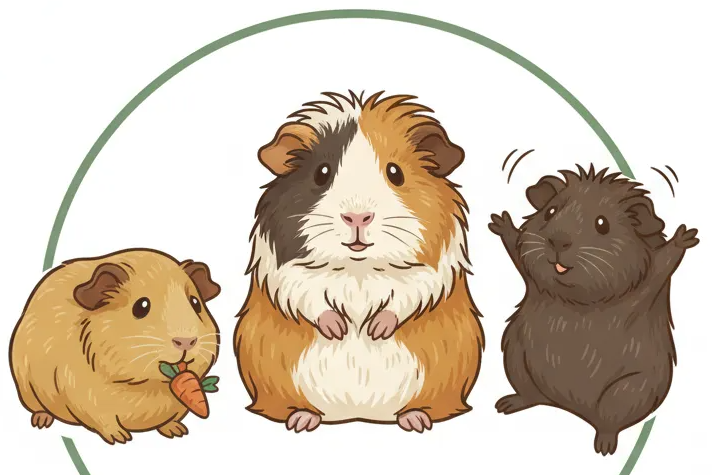
Can Guinea Pigs Eat Marigolds? A Safe Feeding Guide
Hello CavyFam! You might be eyeing those bright marigolds and wondering if they’re a tasty, safe treat for your guinea pigs. It’s natural to feel cautious about what foods could harm your furry pals.
In this guide, I’ll cover key areas to ease your mind and help you make informed choices, including marigold safety, nutritional perks, preparation steps, and common risks. Having raised guinea pigs like gentle Pepper and curious Biscuit for years, I’ve personally navigated these feeding questions to keep my pets happy and healthy.
Are Marigolds Safe for Guinea Pigs?
Yes, guinea pigs can safely eat marigolds, but only certain types and with careful preparation. Stick to pot marigolds (Calendula officinalis), which are the safest and most nutritious variety for your pet. I regularly share these golden petals with my trio-Pepper, Clover, and Biscuit-and they nibble them with delight.
You must avoid other common garden marigolds, like French or African marigolds (Tagetes species). These varieties can be mildly toxic and may upset your guinea pig’s sensitive digestive system, much like certain fruits and vegetables. I learned this the hard way when Biscuit once sampled a stray Tagetes petal and had a minor stomach ache afterward.
- Only use pot marigolds (Calendula officinalis)
- Avoid French, African, or scented marigolds
- Always source organic, pesticide-free flowers
- Wash thoroughly to remove dirt and contaminants
Nutritional Benefits of Marigolds in a Guinea Pig Diet
Marigolds offer a surprising nutritional boost when included as an occasional treat. Pot marigolds are rich in Vitamin A, which supports healthy vision and skin for your guinea pig. My gentle Pepper’s coat seems extra glossy when he enjoys these floral snacks. Among the foods guinea pigs have, marigolds are a bright, occasional treat. Always offer such treats sparingly and keep hay and greens as the mainstay of the diet.
These sunny flowers also contain antioxidants that help combat inflammation. The natural compounds in marigolds can support your pet’s immune system and overall vitality. I’ve noticed my thoughtful Clover seems more energetic after her floral treats.
- Excellent source of Vitamin A for eye health
- Contains anti-inflammatory properties
- Provides natural antioxidants
- Adds variety to their daily vegetable rotation
Remember that marigolds should complement, not replace, their regular diet. These flowers work best as a supplemental treat alongside their constant supply of hay and daily vegetables. My reserved Biscuit appreciates the texture variety, but still prioritizes his timothy hay above all else.
How to Properly Feed Marigolds to Your Guinea Pig

Preparing Marigolds: Washing and Serving
Start by selecting fresh, vibrant marigold flowers and leaves from a trusted source, ideally your own chemical-free garden. I always grow my own marigolds for Pepper, Clover, and Biscuit to ensure they’re free from pesticides and other contaminants. Rinse them thoroughly under cool running water to remove any dirt or tiny insects.
Pat them dry with a clean towel or paper towel to reduce excess moisture. Damp greens can sometimes lead to digestive upset, so I make sure everything is lightly dried before serving. Remove any wilted or discolored petals and leaves, as these may not be as nutritious or safe.
Chop the marigold flowers and leaves into small, manageable pieces to prevent choking. My guinea pigs, especially Biscuit, appreciate smaller bits that are easy to nibble on without struggling. Serve them in a clean ceramic or stainless-steel dish to keep everything hygienic. Guinea pigs can also eat hibiscus leaves and flowers in moderation, provided they are pesticide-free. This helps vary their greens while keeping safety in mind.
Introducing Marigolds into Your Pet’s Diet
Begin by offering a very small amount-just one or two petals or a tiny leaf-to see how your guinea pig reacts. When I first gave marigolds to Clover, I started with a single petal and watched her closely for any changes in behavior or digestion. This slow introduction helps you spot any potential allergies or sensitivities early. This careful approach is part of our foraging guide for guinea pigs. In the full guide, you’ll find safe foods, serving size tips, and step-by-step intro methods.
Monitor your pet for the next 24 hours for signs like diarrhea, lethargy, or loss of appetite. Guinea pigs have sensitive stomachs, and even safe foods can cause issues if introduced too quickly. If all goes well, you can gradually increase the portion over a week. Understanding their normal eating habits will help you spot any irregularities early on.
Limit marigolds to an occasional treat, not a daily staple. I usually offer marigolds to my herd once or twice a week alongside their regular hay and veggies. This variety keeps their diet interesting without overwhelming their system.
Potential Risks and Safety Concerns with Marigolds
Not all marigolds are safe-stick to common varieties like Calendula officinalis, often called pot marigolds. I’ve learned to avoid other types, such as French or African marigolds (Tagetes species), which can be toxic and cause stomach irritation. Always double-check the plant’s scientific name before picking.
Pesticides and herbicides pose a serious risk, as they can lead to poisoning or long-term health issues. Never harvest marigolds from areas treated with chemicals, like public parks or roadside patches. Opt for organic or homegrown sources to keep your pets safe.
Overfeeding marigolds can cause digestive problems like bloating or soft stools. Even with gentle Pepper, I keep portions small because too many new foods at once can disrupt their gut balance. Stick to moderation and pair marigolds with their core diet of hay and pellets.
Watch for allergic reactions, such as itching, swelling, or difficulty breathing. Though rare, some guinea pigs might be sensitive to certain plants, so it’s vital to observe them after each new introduction. If you notice any unusual symptoms, stop feeding marigolds and consult your veterinarian promptly. If scratching persists, it may help explain why your guinea pig is itching and what to check for next—possible allergies, parasites, or skin conditions.
Comparing Marigold Flowers and Leaves for Guinea Pigs
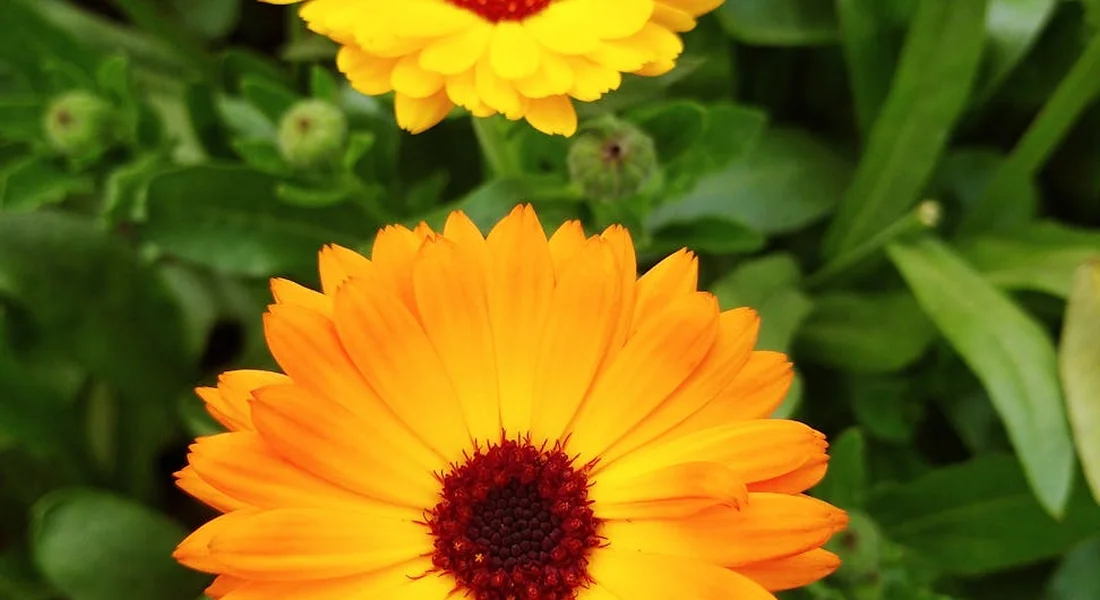
Marigold flowers and leaves offer different textures and nutrients that can benefit your guinea pig in unique ways. Flowers tend to be softer and more vibrant, often attracting curious nibblers like my guinea pig Biscuit, who adores their mild, floral taste. Leaves provide a chewier, fibrous option that supports dental health and digestion, which I’ve seen help steady Pepper when he needs a little extra roughage. Edible weeds and foraged greens can also diversify a guinea pig’s diet when sourced safely. Foraged options like dandelion greens or plantain can complement the marigolds.
Nutritionally, marigold flowers are rich in antioxidants like lutein, which can support eye health, while the leaves offer more fiber and vitamins. From my experience with Clover, who is quite graceful, mixing both parts ensures a balanced treat that keeps her engaged and healthy. Always introduce them slowly to monitor for any digestive upsets.
- Flowers: Softer texture, higher in antioxidants, great for enticing picky eaters.
- Leaves: Chewier feel, more fiber, ideal for promoting gut health and wearing down teeth.
- Combination: Mixing both can provide variety and prevent boredom in your pet’s diet.
Sourcing Safe Marigolds for Your Guinea Pig
Finding safe marigolds starts with choosing organic or home-grown options to avoid pesticides that could harm your pet. I always grow my own marigolds in a small garden patch, ensuring Pepper, Clover, and Biscuit get the freshest, chemical-free treats possible. This hands-on approach lets me control the environment and reduce risks from contaminants.
When buying marigolds, look for suppliers who specialize in edible flowers and verify they haven’t been treated with chemicals. Washing them thoroughly under cool running water removes dirt and potential residues, a step I never skip to keep my guinea pigs safe and happy. Avoid florist marigolds, as they’re often sprayed with preservatives not meant for consumption.
- Select organic or home-grown marigolds to minimize exposure to harmful substances.
- Inspect for signs of mold or damage before feeding, discarding any questionable parts.
- Wash thoroughly and pat dry to ensure cleanliness and freshness for your pet.
FAQs

Can guinea pigs eat marigold seeds?
No, guinea pigs should not eat marigold seeds as they are hard and could pose a choking risk. Always remove seeds and stick to the petals and leaves for safe consumption. Many flowers and plants can be safe for guinea pigs in moderation. Always introduce any new plant slowly and watch for signs of intolerance.
Is it safe to feed marigolds to pregnant guinea pigs?
It’s best to avoid feeding marigolds to pregnant guinea pigs without veterinary guidance, as their nutritional needs are more sensitive. Consult a vet to ensure any treats align with their health requirements during pregnancy. For a week-by-week overview of caring for a pregnant guinea pig, see our health guide that covers safe feeding, monitoring, and stage-specific tips. Following these guidelines helps you tailor care through every stage of pregnancy.
How long do fresh marigolds stay safe for guinea pig consumption after picking?
Freshly picked marigolds should be used within 1-2 days and stored in a cool, dry place to preserve quality. Discard any wilted or moldy parts to prevent potential digestive issues for your pet.
Your Guinea Pig’s Floral Feast: A Quick Recap
You can confidently share a few organic, pesticide-free marigold petals with your guinea pig as a vibrant, occasional treat. Just remember that the leaves and stems are best avoided to prevent any potential tummy troubles for your small friend. When trying new plants, it’s always best to ensure they are safe for guinea pigs by checking safe and unsafe herbs for guinea pigs.
Being a proactive pet owner means always double-checking the safety of new foods before they reach the cage. Choosing organic options whenever possible is a simple way to support both your pet’s health and a healthier planet.
Further Reading & Sources
- Flowers That Your Guinea Pig Can Eat – GuineaDad
- Which Flowers are Safe to Feed My Guinea Pig | HappyCavy
- Diet – Flowers? – Guinea Pig Cages
- What Flowers Can Guinea Pigs Eat? A Full List – I C Cinnamon
Kate is a passionate guinea pig owner and advocate for small pet welfare. With over a decade of experience caring for guinea pigs, she has become a trusted voice in the small pet community.
Uncategorized