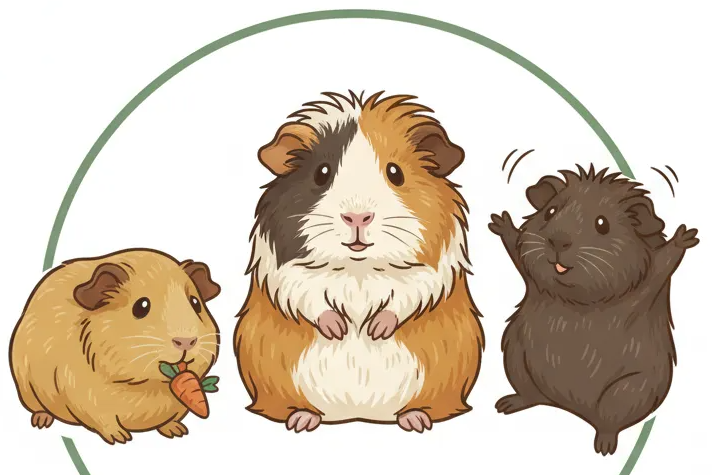
Choosing the Best Guinea Pig Pellets: Your Ingredient Guide
Hello CavyFam! Selecting the right food for your guinea pig often brings worry. You might feel unsure about mysterious ingredients or proper nutrition.
Let’s clear up the confusion with a straightforward look at pellet labels. This guide will explore understanding ingredient lists, spotting key nutrients, avoiding harmful additives, and comparing pellet types wisely. I’ve learned through daily care for my guinea pigs Pepper, Clover, and Biscuit, and I’m here to share that practical knowledge with you.
The Role of Pellets in a Balanced Guinea Pig Diet
Think of pellets not as your guinea pig’s dinner plate, but as their daily multivitamin. In my own herd-Pepper, Clover, and Biscuit-their main course is always an endless supply of fresh, fragrant Timothy hay, which keeps their digestive systems moving and their ever-growing teeth properly worn down. Pellets serve a different, crucial purpose: they are a concentrated source of essential vitamins and minerals that might not be consistently present in hay and fresh veggies alone.
The most vital nutrient they provide is Vitamin C, which guinea pigs cannot produce on their own. This makes a high-quality pellet your best insurance policy against deficiency, acting as a reliable nutritional safety net for their daily health. To prevent overfeeding and ensure they eat enough hay, the general guideline is about 1/8 cup of plain pellets per pig per day, which I measure out for my trio each morning. Guinea pigs do need a daily amount of vitamin C, though the quantity is relatively small. A good pellet can help ensure they meet that daily requirement and stay healthy.
Spotting Quality: Your Ingredient Label Decoder
Turning that bag over and reading the fine print is your most powerful tool as a pet owner. I spend more time reading guinea pig pellet bags than my own cereal boxes, because those ingredients tell the real story of what I’m feeding my pets.
The Green Light: Ingredients You Want to See First
- Timothy Hay or Grass Hay as Ingredient #1. This should be the very first item listed. It signals the pellet is built on a foundation of good fiber, which is non-negotiable for guinea pig health.
- Stabilized Vitamin C. Look for “Ascorbic Acid” or a stabilized form like “Calcium Ascorbate.” This nutrient degrades quickly, so it must be specially processed to remain potent in the bag.
- Moderate Protein and High Fiber Levels. Aim for crude fiber above 18% and protein between 14-16% for most adult pigs. These numbers support healthy digestion without excess weight gain.
- Simple, Recognizable Components. Ingredients like oat hulls, soybean meal, or dried parsley are clear and purposeful. You should understand what you’re reading.
The Red Flags: Ingredients to Question or Avoid
If the bag looks like a party mix, it’s a problem. My rule is simple: if I wouldn’t eat a bowl of it, I shouldn’t feed it to my guinea pigs. Watch out for these common culprits:
- Seeds, Nuts, or Colorful “Fiesta Mix” Pieces. These are choking hazards and are packed with fats. Guinea pigs are foragers of grasses, not nut collectors.
- Added Sugars. Molasses, cane sugar, sucrose, or dried fruit pieces lead to obesity and dental issues. A pellet should taste grassy, not sweet.
- Artificial Colors or Flavors. These chemicals serve no nutritional purpose for your pet and can cause sensitivities. A natural pellet has a uniform, earthy color.
- Alfalfa as the Main Ingredient for Adults. Alfalfa is legume-based, too rich in calcium and protein for grown pigs and can lead to painful bladder stones. Save it for growing babies or pregnant sows.
Trust your eyes and your nose—a good pellet smells like a clean barn, not a candy store, and looking past marketing claims to the actual ingredient list is the kindest choice you can make for their long-term wellbeing. When you weigh options, compare homemade mixes to commercial pellets—the pros and cons of each in nutrition, fiber, and convenience. A vet can help you find the right balance for your guinea pig’s long-term health.
Understanding the Core Nutrients in Pellets
Picking a pellet bag isn’t just about a famous brand name. It’s about decoding the nutritional fine print to match exactly what your cavy’s body needs to thrive.
Vitamin C: The Non-Negotiable
Unlike most other pets, guinea pigs are like tiny, furry sailors of old-they absolutely cannot make their own Vitamin C and will get very sick without a daily supply from their diet. This single fact makes Vitamin C the most critical ingredient you must check for on any pellet label. I learned this the hard way years ago when a poorly-stored bag led to a costly vet visit for a lethargic pig. It’s not just about the feed; ensuring proper water intake combined with Vitamin C sufficiency is crucial for their health.
- Guinea pigs lack the enzyme (L-gulonolactone oxidase) needed for internal Vitamin C synthesis, making dietary sources an absolute daily requirement to prevent scurvy.
- Look for pellets that use stabilized forms of Vitamin C, like ascorbyl polyphosphate. This special coating protects the nutrient from breaking down due to light, air, and heat, which happens rapidly in standard mixes. An opaque, resealable bag is a must for keeping what’s inside potent.
- Pellet Vitamin C is a crucial baseline, but it should never be the sole source. Think of it as your reliable safety net. Fresh vegetables, especially bell peppers and dark leafy greens, provide a superior, bioavailable form of the vitamin that their bodies use most efficiently. My trio, Pepper, Clover, and Biscuit, get their main C boost from daily veggies, with pellets acting as a nutritional backup plan.
Fiber, Calcium, and Phosphorus: The Balancing Act
The right balance of these three supports a silent, healthy digestive system and a strong urinary tract. Getting it wrong can lead to very visible and painful problems.
- Fiber, specifically long-strand fiber, is the engine for their complex digestive system. It keeps food moving through their gut, prevents dangerous stasis, and supports healthy teeth wear. A pellet high in good-quality grass hay fiber (look for timothy hay listed first) is non-negotiable for gut motility.
- The calcium-to-phosphorus ratio is a tiny number with huge impact. Aim for a ratio close to 1.5:1 (Calcium:Phosphorus). This balance helps prevent the formation of painful urinary sludge or stones, a common and serious issue in adult pigs. An imbalance where phosphorus is too high can actually leach calcium from their bones.
- For adult guinea pigs over one year, I strongly advocate for a pellet specifically formulated to be low in calcium (below 0.6%). My thoughtful Clover, who is three, thrives on this. Young, growing pigs and pregnant sows need slightly more, but for the average adult, lower calcium supports long-term urinary tract health.
Protein and Fat: Supporting Growth and Energy
These are the building blocks and fuel sources, but more isn’t always better. It’s about precision for their life stage.
- For most adult guinea pigs, a protein level between 14-16% and a fat content around 2-4% is ideal. Young, growing pups (like Biscuit was at a year old) and nursing mothers can benefit from slightly higher protein, around 18%, to support development. Always transition foods slowly if changing for age.
- Excessive protein, especially from legume-based sources like alfalfa meal in an adult pellet, can be hard on their kidneys over time and may contribute to unwanted weight gain. A timothy-based pellet naturally keeps protein and fat in a healthier, more moderate range for steady adults like my gentle Pepper.
Beyond Ingredients: Physical Pellet Traits Matter
The recipe can be perfect, but if the pellet itself is unappealing or stale, your guinea pig will vote with their paws and walk away. Their comfort and interest are part of the quality equation. To help you choose, we’ve reviewed and compared the best guinea pig pellet brands. Our guide highlights which brands consistently perform best so you can pick with confidence.
- Pellet size, shape, and texture influence how easily they can eat. Very large, hard pellets might be ignored by smaller or younger pigs, while overly crumbly “muesli-style” mixes allow selective feeding, where they pick out only the tasty, high-fat bits. A uniform, hard-extruded pellet about the size of a pea ensures they consume the complete, balanced nutrition in every bite.
- The manufacturing or “best by” date is your guarantee of Vitamin C potency and overall freshness. Never buy a bag without checking this. I look for bags dated within the last 3-4 months for maximum assurance. Vitamin C degrades steadily over time, so the fresher, the better.
- If you buy in bulk to save money, consider moisture content and shelf life. Store the main supply in an airtight, opaque container in a cool, dark place-never in a humid garage or sunlit room. Only fill a small dish from this supply weekly to keep the majority fresh and prevent spoilage from constant air exposure.
Your Practical Guide to Selecting and Switching Pellets
Armed with knowledge of what’s *in* the bag, the next step is navigating the store aisle (or website) with confidence. This is where theory meets practice, and your keen eye makes all the difference for your pets.
Evaluating Brands and Where to Shop
When you’re facing a shelf of colorful bags, don’t just grab the one with the cutest guinea pig picture. Turn every bag around and compare the ingredient panels side-by-side, just as you would when choosing food for yourself. I keep a mental checklist: Is timothy hay first? Is there a dedicated vitamin C source? What’s the crude fiber percentage? A brand I trust for my trio consistently lists these clearly.
- General pet stores and farm supply retailers often carry reputable brands, but you must be your own label detective-popular doesn’t always mean superior in formulation. I’ve found fantastic pellets at my local farm store, but I’ve also seen sugary mixes right beside them.
- Buying in bulk can be cost-effective, but only if you have a large herd; for most owners, a smaller, fresher bag used within a month preserves precious nutrients like vitamin C. I learned this the hard way when a big bag went stale and my thoughtful Clover turned her nose up at it.
- Attributes like non-GMO or organic certification can indicate cleaner sourcing, but they are secondary to the core nutritional requirements of hay-based, fortified food. View them as a potential bonus, not the primary reason for your choice.
How to Safely Transition Your Herd to a New Food
A sudden food change is a fast track to digestive upset for a guinea pig. Their delicate gut flora needs time to adjust. A slow, methodical transition over 7 to 10 days is non-negotiable for their comfort and health. I follow this ritual with my herd every time I find a better pellet, especially when I’m switching to a new pellet brand.
-
Begin by mixing 25% of the new pellet with 75% of their current food for three days, carefully observing their interest and their droppings. My steady Pepper usually adapts first, while the more reserved Biscuit watches cautiously.
-
For a picky eater, try hand-feeding a few of the new pellets as a treat or slightly dampening the mix to amplify the aroma and encourage nibbling. Patience is key; never withhold their old food entirely to force the issue.
-
Throughout the entire process, monitor their poop consistency and energy levels daily-firm, oval droppings and normal behavior are your green lights to proceed to the next mixing stage. Any sign of soft stools means you should pause or slow the transition further.
FAQs
Are guinea pig pellets from Walmart a good choice?
While Walmart may carry various brands, always scrutinize the ingredient list for timothy hay as the first component and stabilized vitamin C. Prioritize nutritional quality over convenience, as shelf options can vary widely in their formulation.
Is Oxbow a recommended brand for guinea pig pellets?
Oxbow is frequently recommended for its timothy-based pellets with added vitamin C, which align with common dietary guidelines. Consider the daily portion of pellets: pellets should be offered as a measured amount rather than free access. The exact amount depends on your guinea pig’s age, size, and health. Still, review the specific product’s label to confirm it meets your guinea pig’s life stage and health requirements.
How can I find guinea pig pellets near me?
Search at local pet stores, farm supply outlets, or online retailers with fast shipping to access quality pellets. Always check the manufacturing date and ingredient panel upon purchase to ensure freshness and proper nutrients. It is also important to store pig pellets properly to maintain their quality.
What are alternatives to commercial guinea pig pellets?
A balanced diet of unlimited grass hay, fresh vegetables rich in vitamin C, and veterinarian-approved supplements can sometimes replace pellets. Hay’s high fiber content is essential for guinea pig digestion and helps wear down their constantly growing teeth, making it the cornerstone of daily intake. However, this approach demands meticulous planning to avoid nutritional gaps, so professional guidance is essential.
Are guinea pig pellets safe for humans to eat?
Guinea pig pellets are designed for animal digestion and are not safe or suitable for human consumption. They may contain ingredients that are not intended for the human diet, so they should only be fed to your pets.
Your Guinea Pig’s Path to Perfect Pellets
Always select pellets where timothy or another grass hay is the very first ingredient, and ensure they include stabilized vitamin C since guinea pigs can’t produce it themselves. Reading labels carefully helps you avoid cheap fillers like corn or seeds, which I’ve found can cause bloating and discomfort in sensitive pigs like my Biscuit. This is especially important when choosing between timothy and alfalfa pellets.
Caring for companions like Pepper, Clover, and Biscuit has shown me that great nutrition is a cornerstone of responsible, lifelong pet ownership. You can extend that care to the planet by seeking out pellets in recyclable packaging and supporting companies that use sustainable, ethically sourced ingredients.
Further Reading & Sources
- Guinea Pig Pellets | Hubbard Feeds
- Premium Guinea Pig Pellets | Guinea Pig Food – Small Pet Select U.S.
- Guinea Lynx :: Pellets
- Premium, Healthy Hay-Based Guinea Pig Food | Small Pet Select – Small Pet Select U.S.
Kate is a passionate guinea pig owner and advocate for small pet welfare. With over a decade of experience caring for guinea pigs, she has become a trusted voice in the small pet community.
Uncategorized