Choosing the Best Guinea Pig Pellets: Your Ingredient Guide
Hello CavyFam! Picking the right guinea pig pellets can feel overwhelming. You want to give your pet the very best, but how do you decode those confusing ingredient lists?
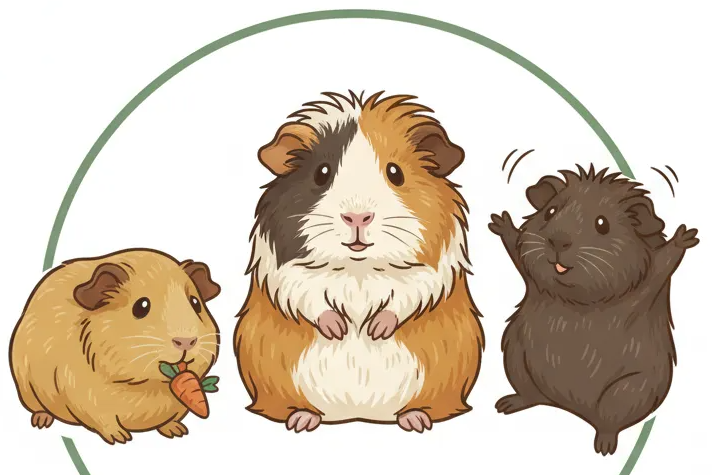
In this guide, we’ll explore key ingredients to seek out, label red flags to avoid, and how to match pellets to your pig’s unique needs. I’ve learned this through years of caring for my own trio of guinea pigs, each with their own distinct personalities and dietary quirks.
Why High-Quality Pellets Matter for Your Guinea Pig’s Well-Being
Feeding your guinea pig is more than just filling a bowl; it’s the foundation of their entire health. I learned this the hard way with my first guinea pig, Pepper, who developed minor dental issues from a poor diet before I understood the importance of quality food. Proper nutrition directly prevents painful and costly health problems.
Guinea pigs cannot produce their own vitamin C, making them prone to scurvy, which causes lethargy, poor coat condition, and joint pain. A diet rich in stabilized vitamin C is your first line of defense against this debilitating condition. So, how much vitamin C do guinea pigs need daily? The exact amount depends on age, weight, and health, but a daily supply is essential to prevent scurvy. Their teeth also grow continuously, requiring the right balance of fiber to grind them down naturally.
Common diet-related ailments you can help prevent include:
- Scurvy from vitamin C deficiency
- Dental malocclusion (overgrown teeth) from insufficient fiber
- Digestive issues like GI stasis from low roughage
- Urinary tract problems from improper calcium levels
- Obesity from high-sugar, low-nutrient fillers
Essential Ingredients in Top-Notch Guinea Pig Pellets
After years of caring for my trio—Pepper, Clover, and Biscuit—I’ve become a meticulous label reader. The best pellets are simple, hay-based, and fortified with the specific nutrients guinea pigs need to thrive. You should look for a short, understandable ingredient list. Between timothy hay and alfalfa pellets, most adult guinea pigs do best with timothy hay as the base. Alfalfa can be useful in small amounts for youngsters or pregnant sows, but not as the daily staple.
My must-have ingredients for any bag I buy are:
- Timothy Hay as the first ingredient
- Stabilized Vitamin C (often listed as Ascorbic Acid or a coated form)
- A guaranteed analysis showing at least 18-20% crude fiber
- A calcium-to-phosphorus ratio close to 1.5:1
- Whole grains like oats or barley, not processed by-products
- No added artificial colors, sugars, or seeds
Fiber and Hay Base: The Foundation of Good Pellets
Fiber is the engine of your guinea pig’s digestive system. Timothy hay is the gold standard for adult guinea pigs because it provides long-strand fiber that keeps their gut moving and teeth worn down. I always choose pellets where timothy hay is the very first item listed.
Alfalfa hay, however, is richer in calcium and protein. It’s fantastic for growing pups, pregnant moms, or underweight pigs, but it can lead to weight gain and urinary sludge in healthy adults. My gentle giant, Pepper, does best on a strict timothy-based diet.
Here’s how to check the fiber content on any label:
- Locate the “Guaranteed Analysis” on the bag.
- Find the “Crude Fiber” percentage.
- Ensure the number is 18% or higher for a healthy adult pig.
Vitamin C: Why It’s Non-Negotiable
Think of vitamin C as the daily multivitamin your guinea pig absolutely cannot live without. Without a consistent source, their bodies can’t form collagen, leading to the joint pain and weakness characteristic of scurvy. Pellets must contain stabilized vitamin C, as it degrades quickly when exposed to air and light.
Look for a guaranteed analysis that specifies a vitamin C level. I aim for pellets that provide at least 50-100 mg of vitamin C per kilogram of food to help meet their daily needs. Always check the manufacture or “best by” date, as the potency fades over time.
Watch for these subtle signs of a vitamin C deficiency in your pet:
- Rough, unkempt fur
- Reluctance to move or seeming “ouchy”
- Loss of appetite
- Swollen joints or feet
Whole Grains and Natural Additives
Not all carbohydrates are created equal in a guinea pig’s diet. Whole grains provide slow-releasing energy and additional nutrients, while processed fillers can lead to digestive upset and picky eating. My thoughtful girl, Clover, is particularly sensitive to these and will outright refuse pellets with a long list of unrecognizable ingredients.
Good, wholesome ingredients provide substance without the junk. I look for simple additions like oat hulls or ground flaxseed, which contribute to a healthy coat and smooth digestion. Avoid pellets that list corn, soy, or wheat as primary ingredients, as these are often cheap fillers with little nutritional benefit.
Here is a quick comparison to guide you at the pet store:
- Good: Timothy Grass, Oat Groats, Flaxseed, Dried Plain Beet Pulp
- Bad: Corn, Soybean Hulls, Mill Run, Animal Fat, Sugar (e.g., molasses)
Red Flags: Ingredients to Steer Clear Of
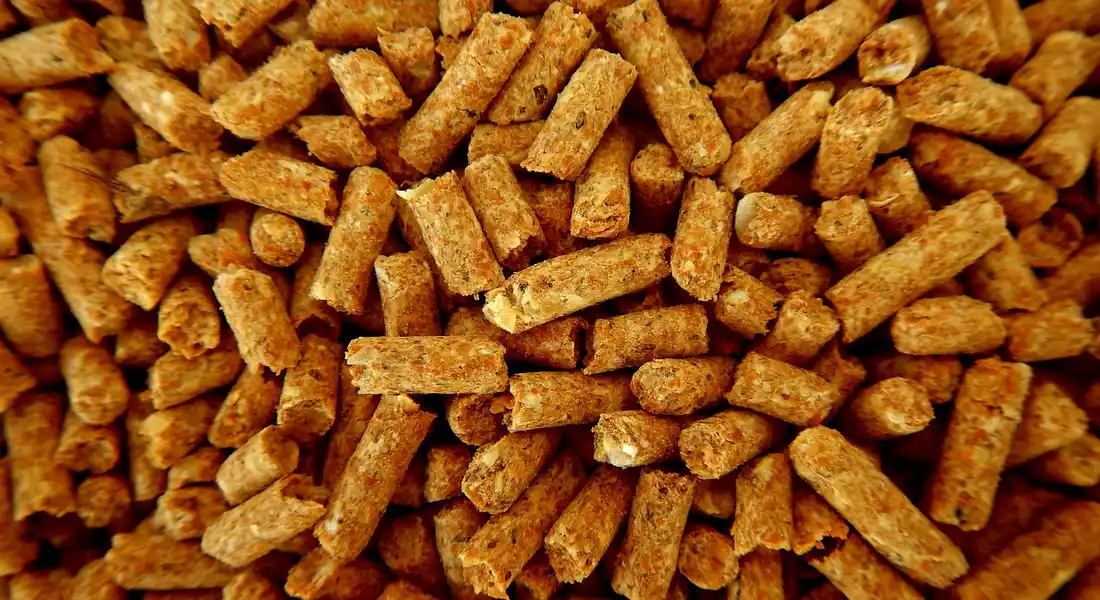
I once bought a colorful pellet brand thinking variety was good. My guinea pigs, Pepper and Clover, refused to eat it. Artificial colors and flavors often mask low-quality ingredients and offer zero nutritional value. Your pets rely on you to filter out these unnecessary additives.
- Ethoxyquin, BHA, BHT: These chemical preservatives are linked to long-term health issues. I now only buy pellets preserved with mixed tocopherols (Vitamin E).
- Meat or Animal By-Products: Guinea pigs are strict herbivores. Their digestive systems cannot process animal proteins.
- Generic “Seed Products” or “Cereal Fines”: These are low-grade fillers. I learned this the hard way when Biscuit had digestive upset from a cheap feed.
Added Sugars and Unnecessary Fillers
Sugary pellets might seem like a treat, but they promote obesity and dental problems. Corn is a common filler that offers little nutrition and can cause bloating in sensitive pigs like my Clover. Always check for molasses, sucrose, or corn syrup in the first five ingredients.
| Healthy Additives | Unhealthy Additives |
|---|---|
| Timothy Hay Meal | Corn Gluten Meal |
| Stabilized Vitamin C | Molasses |
| Dried Plain Vegetables | Artificial Sweeteners |
Soy and Corn: When to Be Cautious
While not inherently toxic, soy and corn are common allergens. After switching to a soy-free pellet, Pepper’s occasional skin itchiness completely disappeared. Many guinea pigs digest other grains more easily.
Look for pellets using alfalfa or Timothy hay as the primary base instead. Brands that are transparent about their grain sources earn my trust every time. I always keep a small bag of a corn-free option on hand for any digestive sensitivity.
How to Read and Understand Pellet Labels Like a Pro
Reading a feed bag used to confuse me. Now, I treat it like a quick detective game. Always start by checking the manufacturing or “best by” date on the bottom of the bag. Stale pellets lose their Vitamin C potency, which is critical for health.
- Find the ingredient list. The first item is the most prevalent.
- Look for a named protein source, like “Timothy Hay,” not vague terms.
- Check for a guaranteed analysis for key nutrients.
- Research the brand online for their sourcing and manufacturing practices.
Decoding Guaranteed Analysis
This panel tells you the nutrient breakdown. Fiber should be high, as it’s essential for their complex digestive systems to function properly. Protein needs vary by age, but extremes can cause issues.
- Crude Fiber: Ideal range is 16-20%. My pigs do best around 18%.
- Crude Protein: For adults, 14-16%. Youngsters need slightly more.
- Crude Fat: Look for a low number, around 2-4%.
- Vitamin C: Must be present. I aim for a minimum of 50 mg/kg.
Assessing Freshness and Palatability
Fresh pellets have a mild, grassy smell. If a bag smells musty or oily, it’s likely gone rancid and should be returned. I do a simple pinch test; good pellets are firm but crumble slightly, not rock-hard or dusty.
To test palatability, I mix a small handful of new pellets with their old brand. Observing which ones they eat first tells me everything I need to know about taste and digestibility. My herd’s enthusiastic munching is the final seal of approval.
Age-Appropriate Pellet Formulas for Every Life Stage
Your guinea pig’s nutritional requirements shift significantly as they grow from a wobbly baby into a dignified senior. Choosing the right pellet formula for their life stage is one of the most impactful decisions you can make for their long-term health. Knowing what to expect at each stage of your guinea pig’s life helps you tailor their care. From playful youngster to quiet senior, the nutrition plan should evolve with them.
- Young Piggies (Under 6 months): Need extra protein for rapid growth and alfalfa-based pellets for higher calcium to support developing bones and teeth.
- Adult Piggies (6 months – 5 years): Require a balanced timothy hay-based pellet with controlled calcium to prevent urinary issues and maintain a healthy weight.
- Senior Piggies (5+ years): Benefit from high-fiber, easily digestible pellets with the lowest possible calcium content to support aging kidneys and digestive systems.
Pellets for Growing Guinea Pigs
Babies are little eating machines fueled by growth. I always opt for an alfalfa-based pellet for my young ones, like Biscuit was, because it naturally provides the elevated calcium and protein they crave. Their tiny bodies use these nutrients to build strong skeletons and muscle.
Transitioning to an adult formula around six months is critical. I start by mixing 75% of their young piggy pellets with 25% of the new adult timothy-based pellets. Over two weeks, I gradually increase the adult pellet ratio while decreasing the juvenile mix. This slow switch gives their sensitive digestive systems time to adapt without causing upset.
Adult and Senior Guinea Pig Needs
Once your cavy hits adulthood, their diet needs to pivot from growth to maintenance. My adults, Pepper and Clover, thrive on timothy-based pellets that are lower in calcium and calories but rich in long-strand fiber. This helps prevent obesity and the formation of painful bladder stones.
As guinea pigs enter their golden years, their metabolism slows and their organs work harder. For seniors, I slightly reduce their daily pellet portion, focusing even more on high-quality hay and fresh veggies to keep their gut moving. I specifically seek out “senior” formulas or the lowest-calcium adult pellets I can find to ease the burden on their kidneys, especially as outlined in senior guinea pig care guidelines.
Practical Tips for Selecting and Transitioning Pellets
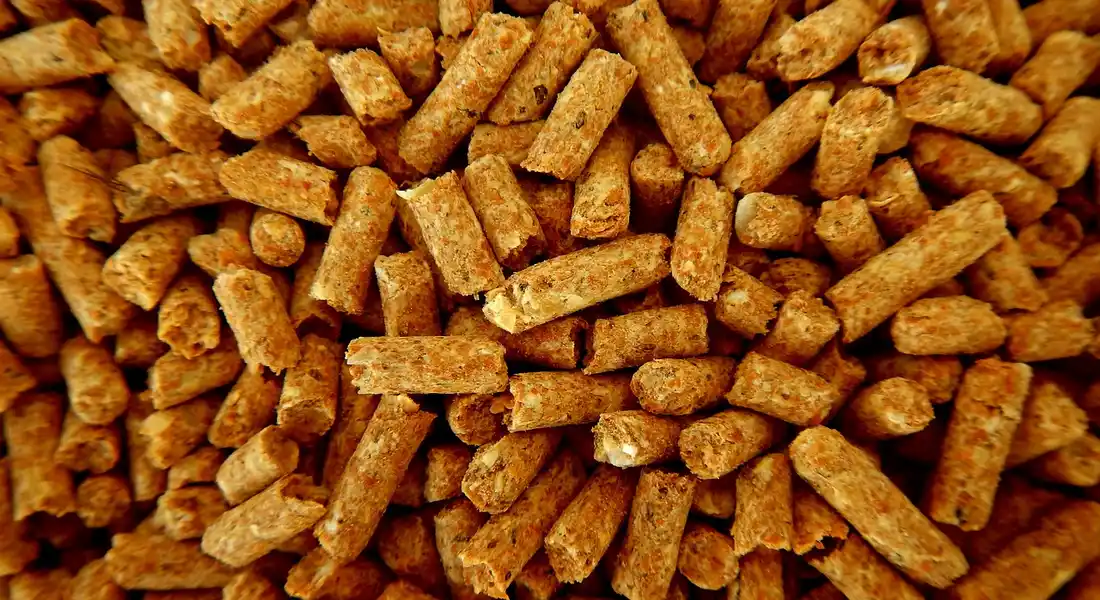
Navigating the pet store aisle or online shop can feel overwhelming. My first step is always to physically check the pellet bag for a “born on” or “use by” date to ensure maximum freshness and nutrient potency. I avoid bags that feel dusty or have a stale smell.
- For Bulk Buys: Only purchase large quantities if you have an airtight container to maintain freshness and you’re confident your herd will eat that brand.
- Local Availability: Choose a brand you can reliably find at your local feed store or pet shop to avoid stressful, last-minute switches.
- Online Shopping: Read recent customer reviews focusing on comments about freshness and whether the pellets arrived intact, not as a bag of dust.
Step-by-Step Pellet Transition Guide
A sudden change in diet is a common cause of digestive distress in guinea pigs. I learned this the hard way early on, which is why I now follow a strict two-week transition plan with any new food.
- Days 1-3: Mix 25% of the new pellets with 75% of their old, familiar pellets.
- Days 4-7: Shift to a 50/50 blend of old and new pellets.
- Days 8-10: Increase the new pellets to 75%, with only 25% of the old mix remaining.
- Days 11-14: Offer 100% of the new pellet formula.
Throughout this process, monitor their poop output and appetite closely. If you see a decrease in eating or a change in droppings, slow the transition down for a few more days.
Evaluating Pellet Size and Texture
The physical form of the pellet matters more than you might think. I strongly prefer uniform, extruded pellets over a muesli-style mix because it prevents selective eating. My clever Clover would pick out all the tasty, high-fat seeds and leave the healthy bits if given the chance.
- Ideal Size: Pellets should be small and uniform, easy for them to pick up and chew.
- Ideal Texture: Firm but not rock-hard, crumbling slightly when pinched, which indicates proper processing.
- Avoid: Dusty, broken, or overly greasy pellets, as these can signal poor quality or rancid fats.
A good pellet should have a faint, sweet, hay-like smell. Your guinea pigs will show you what they prefer with their enthusiastic munching—or lack thereof—especially when transitioning to a new pellet.
Recognizing Signs of Poor Nutrition in Your Guinea Pig
You might notice subtle shifts in your guinea pig’s health if their pellets aren’t cutting it. Weight loss, a dull coat, or sudden lethargy often signal that their diet needs a quick review. I’ve seen this firsthand with my own guinea pigs—Pepper’s steady nature meant he’d quietly eat less, while Clover’s graceful movements slowed when her food lacked key nutrients. To help you avoid these issues, here are the top 10 guinea pig diet mistakes that lead to serious health issues. Knowing them can help you craft a safer, more balanced menu for your furry friends.
- Warning Sign: Unexplained weight drop or gain
- Quick Fix: Weigh them weekly and adjust pellet portions based on activity
- Warning Sign: Fur looks rough or loses its shine
- Quick Fix: Add a vitamin C-rich veggie like bell pepper to their daily meals
- Warning Sign: Reduced interest in food or water
- Quick Fix: Switch to a timothy hay-based pellet and monitor intake closely
- Warning Sign: Behavioral changes like hiding more or less vocalizing
- Quick Fix: Ensure pellets are fresh and stored in a cool, dry place to maintain flavor
Physical and Behavioral Clues
Keep a close eye on daily habits to catch issues early. Start by observing how much they eat during feeding times-if Biscuit, my reserved Peruvian, leaves pellets untouched, it’s a red flag. Use these simple steps for regular health checks to stay proactive.
- Check eating habits daily: Note if they finish pellets or pick around them.
- Weigh weekly: Use a small kitchen scale to track any fluctuations.
- Inspect coat condition: Run your hands through their fur for smoothness and shine.
- Watch for energy levels: See if they’re active during playtime or mostly sedentary.
I learned to feel for dry patches on Clover’s light brown coat, which once indicated a lack of essential fats. Regular checks help you spot changes before they become big problems, keeping your guinea pig comfortable and healthy.
When to Consult a Vet
Some diet-related issues need expert eyes to resolve safely. If symptoms like weight loss or dull fur persist for more than a few days, it’s time to call your vet. I remember taking Pepper in after he lost interest in his favorite treats; the vet found a minor deficiency that we fixed with a pellet switch.
Seek help if you see rapid weight changes, labored breathing, or signs of pain like teeth grinding. Vets can run tests to pinpoint deficiencies and recommend tailored diets that support long-term wellness. In my experience, early visits saved Biscuit from serious health scares and reinforced the value of quality nutrition.
FAQs
Are guinea pig pellets from Walmart good quality?
Walmart offers various brands, so check the ingredient list for timothy hay as the first item and stabilized vitamin C. Avoid options with artificial colors or high sugar, as quality can differ between products.
Is it safe to buy guinea pig pellets in bulk?
Buying in bulk can save money, but store pellets in an airtight container to preserve freshness and nutrient integrity. Always check the expiration date to ensure vitamin C remains effective over time.
Are guinea pig pellets safe for humans to eat?
Guinea pig pellets are formulated for animal diets and are not tested or approved for human consumption. They may contain ingredients that could cause digestive issues or allergic reactions in people.
How many guinea pig pellets should I feed per day?
Adult guinea pigs generally need about 1/8 cup of pellets daily, but adjust based on their age, weight, and activity level. In other words, that’s the typical daily pellet amount to aim for when planning how much pellets a guinea pig should eat daily. Always supplement with unlimited hay and fresh vegetables for a balanced diet.
Are Oxbow guinea pig pellets a good choice?
Oxbow is a trusted brand known for using quality ingredients like timothy hay and stabilized vitamin C in many formulas. Review the specific product’s label to confirm it aligns with your guinea pig’s dietary requirements.
Your Path to Better Guinea Pig Nutrition
Focus on pellets with timothy hay as the top ingredient and stabilized Vitamin C to meet their unique dietary needs. From caring for Pepper, Clover, and Biscuit, I’ve seen how the right food boosts their energy and overall well-being. Avoid fillers like seeds or artificial colors that offer little nutritional value.
Commit to responsible ownership by staying curious and informed about guinea pig care advancements. Choosing eco-friendly pellet brands and sustainable practices helps protect our planet while keeping your pets thriving. To guide you, we’ve reviewed and compared the best guinea pig pellet brands. This quick guide highlights options that balance nutrition and sustainability. Your dedication makes a world of difference in their lives.
Further Reading & Sources
- Guinea Lynx :: Pellets
- Guinea Pig Pellets | Hubbard Feeds
- Mazuri® Timothy Hay Based Guinea Pig Food | Pellets for Guinea Pigs
- Premium, Healthy Hay-Based Guinea Pig Food | Small Pet Select – Small Pet Select U.S.
Kate is a passionate guinea pig owner and advocate for small pet welfare. With over a decade of experience caring for guinea pigs, she has become a trusted voice in the small pet community.
Uncategorized